
Electronic Components Procurement
Electronic component sourcing for PCB assembly, with BOM review, component procurement, availability checks, and sourcing support for prototype and production projects.
Electronic Component Sourcing for PCB Assembly
Electronic component sourcing is part of the PCB assembly process when customers need an EMS supplier to purchase the components specified in their BOM before assembly begins.
Unit Circuits supports component procurement for prototype and production PCBA projects based on customer-provided BOM and manufacturing files. Sourcing requirements are reviewed according to the specified manufacturer part numbers, quantities, package information, and other available purchasing requirements.
When availability, lead time, or part status creates a sourcing issue, the affected item can be identified for review with the customer. Alternative components are not used without customer approval.
Component sourcing can be combined with PCB fabrication and assembly so that the PCB, components, and assembly requirements are coordinated within the same project.
What Information Should You Provide for Component Sourcing?
Accurate sourcing starts with a clear BOM and purchasing requirements. For PCB component sourcing, provide as much of the following information as is available for your project.
BOM and Manufacturer Part Numbers
Provide the BOM with the manufacturer name and manufacturer part number (MPN) for each required component where specified. Reference designators, descriptions, package information, and required quantities also help match the purchasing data with the assembly requirements.
Required Quantity
Component quantities should reflect the planned PCB assembly quantity and the number of each component used per board. Where applicable, purchasing quantities may also be affected by supplier packaging, minimum order quantities, or order multiples.
Approved Alternatives
If alternative parts have already been approved for the design, include them in the BOM or approved parts list. If a specified component becomes unavailable or presents a sourcing issue, any proposed substitution should be reviewed and approved by the customer before use.
Special Purchasing Requirements
Identify any project-specific requirements that may affect procurement, such as a specified manufacturer, approved supplier, date-code requirement, packaging requirement, or other purchasing restriction.
Providing these details before quotation helps define the component procurement scope and identify potential sourcing issues before PCB assembly begins.
How Component Sourcing Works with PCB Assembly
Component procurement and PCB assembly should be coordinated around the same BOM and approved manufacturing data. This helps ensure that the components purchased for a project match the parts, quantities, packages, and assembly requirements specified by the customer.
1. BOM Review
The BOM is reviewed for manufacturer part numbers, quantities, package information, and other available purchasing requirements. Items with incomplete or unclear sourcing information can be identified before purchasing begins.
2. Component Availability Check
Availability and applicable lead times are checked during sourcing. If a specified component is difficult to source, obsolete, or subject to a long lead time, the affected item can be raised with the customer before procurement.
3. Confirm Parts Before Purchasing
Components are sourced according to the approved BOM and purchasing requirements. Where a sourcing issue requires an alternative part to be considered, the proposed change is submitted for customer review and approval before use.
4. Coordinate Components with PCB Assembly
The sourced components, fabricated PCBs, and assembly requirements are coordinated for the production build. This allows component sourcing and PCB assembly to be managed within the same project rather than as separate purchasing and manufacturing activities.
For turnkey projects, this workflow can cover PCB fabrication, component procurement, PCB assembly, and the testing requirements agreed for the project.
Component Availability, Lead Time and Obsolescence
Component availability can affect both the quotation and production schedule of a PCB assembly project. During electronic component sourcing, availability and applicable lead times should be reviewed against the required quantity and production plan.
Component Availability
Availability can vary by manufacturer part number, package, required quantity, and purchasing channel. A component that is available for a prototype build may not necessarily be available in the quantity required for a later production order.
For this reason, sourcing status should be checked against the actual BOM and order quantity rather than assumed from a previous quotation or build.
Lead Time
Components that are not available for immediate purchase may have manufacturer or supplier lead times that affect the overall PCBA schedule. Long-lead items should be identified during BOM review so the customer can evaluate their impact before procurement begins.
Obsolete or Difficult-to-Source Components
If a specified part is obsolete, approaching end-of-life, or difficult to source through the available purchasing channels, the issue should be identified before the component is replaced or the order proceeds.
Depending on the project, the customer may choose to wait for the specified part, provide an approved source, supply the component, or review a possible alternative.
Any change to the specified component should be confirmed with the customer before purchasing and assembly.
Alternative Components and Customer Approval
When a specified component is unavailable, obsolete, or affected by an impractical lead time, an alternative part may be considered if the customer allows substitutions to be reviewed.
A proposed alternative should be evaluated against the requirements relevant to the design, which may include manufacturer, electrical specifications, package, footprint, temperature rating, lifecycle status, and other project-specific requirements.
Unit Circuits does not replace specified components without customer approval. Any proposed substitution should be documented and confirmed before the alternative component is purchased for assembly.
If substitutions are not permitted, this requirement should be stated in the BOM or purchasing instructions when requesting a quotation.
Component Quality and Traceability
Component sourcing channels are selected according to part availability, project requirements, quantity, lead time, and customer purchasing requirements. Depending on the component and project, sourcing may involve manufacturer-authorized distributors, established distributors such as DigiKey or Mouser, qualified domestic distributors, or independent distributors.
Sourcing Channel Selection
When authorized or established distribution channels can meet the project requirements, they can be used as the preferred sourcing option. For parts that are unavailable, obsolete, or difficult to obtain through these channels, other sourcing options may be reviewed with the customer.
If an independent distributor or spot-market source needs to be considered, the sourcing channel and any additional verification requirements should be evaluated according to the project before purchasing.
Component Verification and Documentation
The applicable component verification requirements depend on the sourcing channel, component type, and customer requirements. Available information such as manufacturer labels, part numbers, lot or date codes, packaging, supplier documentation, and purchasing records can be reviewed as part of the procurement process.
Where specific traceability or documentation is required, the requirement should be stated before quotation so that the appropriate sourcing and verification scope can be confirmed.
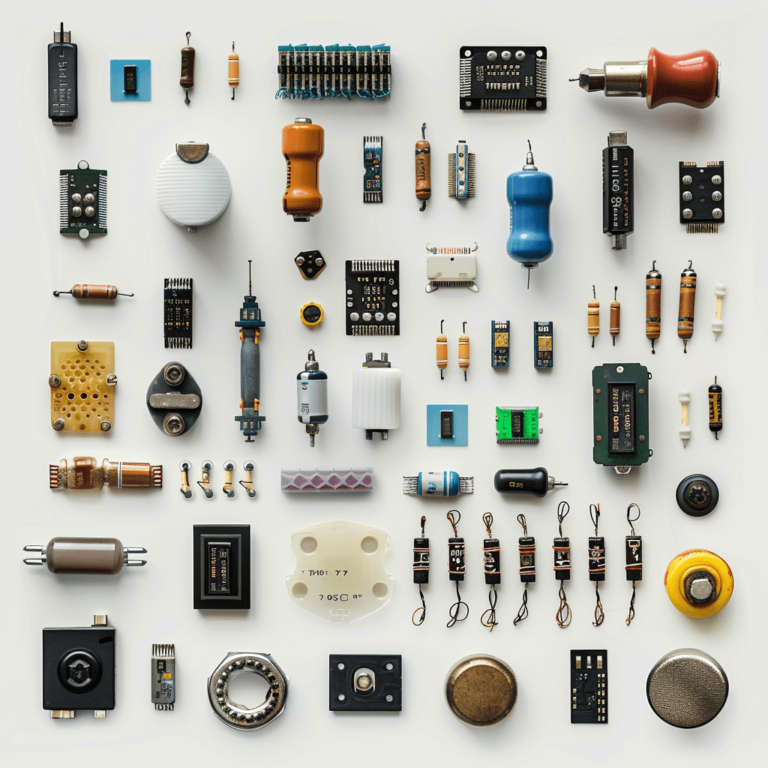
Component Sourcing Based on Your BOM
Component sourcing requirements are reviewed according to the customer-provided BOM, manufacturer part numbers, required quantities, purchasing restrictions, and project schedule. The appropriate purchasing channel depends on component availability and the requirements agreed for the project.

BOM-Based Selection
Source components according to the approved BOM, MPNs, quantities, and purchasing requirements.
Availability Review
Check component availability and applicable lead times against the required quantity and production plan.
Flexible Sourcing Channels
Select appropriate purchasing channels according to component availability and agreed project requirements.
Sourcing Verification
Review applicable component and supplier information according to the sourcing channel and required verification scope.
Component Procurement for Different PCBA Projects
Component Procurement for PCB Assembly Projects
Unit Circuits supports component procurement for prototype and production PCB assembly based on the customer-approved BOM and purchasing requirements.
Sourcing channels are selected according to component availability, required quantity, lead time, and project requirements. When a specified part is unavailable or requires a different sourcing approach, the issue is reviewed before purchasing.
Component procurement can be coordinated with PCB fabrication, assembly, and agreed testing requirements as part of a turnkey PCBA project.
Component Brands We Source





FAQs about Components Procurement
Please provide your BOM with available manufacturer names, manufacturer part numbers, quantities, package information, and any approved alternatives or purchasing restrictions. PCB assembly quantity and required delivery schedule can also help us review the sourcing requirements.
Sourcing channels depend on the specified part, availability, quantity, lead time, and project requirements. Depending on the project, components may be sourced through manufacturer-authorized distributors, established global distributors, qualified domestic distributors, or independent distributors.
If a specified component is unavailable, obsolete, or affected by a long lead time, the issue is identified for customer review. Depending on the project, the customer may choose to wait for the specified part, provide an approved source, supply the component, or consider an alternative.
Alternative components may be considered when the specified part cannot meet the project’s sourcing requirements. Any proposed substitution must be reviewed and approved by the customer before purchasing and assembly.
The applicable review depends on the component, sourcing channel, and customer requirements. Part numbers, packaging, labels, supplier information, and available purchasing documentation can be reviewed according to the agreed procurement scope.
Available documentation depends on the component, sourcing channel, and supplier. If specific traceability, certificate, date-code, or other documentation is required, please identify the requirement before quotation so the sourcing options can be reviewed accordingly.
Lead time depends on component availability, required quantity, sourcing channel, and the specific parts in the BOM. Long-lead or difficult-to-source items can affect the overall PCB assembly schedule, so sourcing status should be reviewed for each project.
Component purchasing requirements vary by part and supplier. Some components may be available in small quantities, while others are subject to supplier minimum order quantities, packaging quantities, or order multiples. These requirements can be reviewed against the BOM and PCB assembly quantity during quotation.
Request a Component Sourcing & PCB Assembly Quote
Need component sourcing for your PCB assembly project? Send us your BOM, PCB files, required quantity, and purchasing requirements for review.
For a more efficient quotation, please include your manufacturer part numbers, approved alternatives if available, and any specific requirements for sourcing channels, traceability, date codes, or component documentation.

 Assemble 20 PCBAS for $0