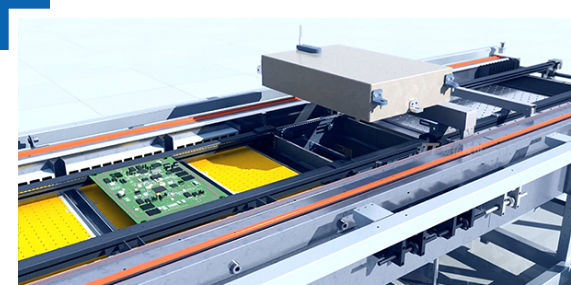
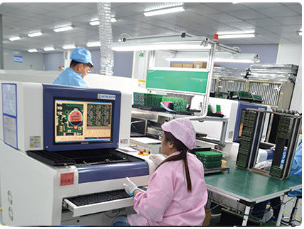
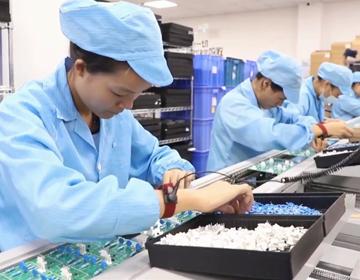
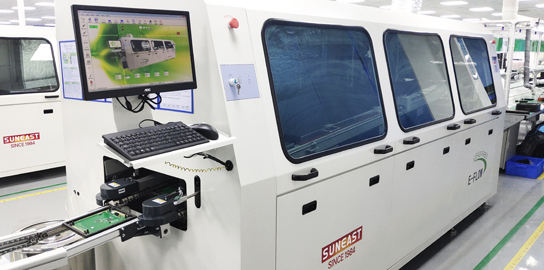
Turnkey PCB Assembly Services for Prototype and Production
Prototype, Low-Volume, and Turnkey PCB Assembly Services in China with Fast Quotes and Reliable Delivery.
Unit Circuits
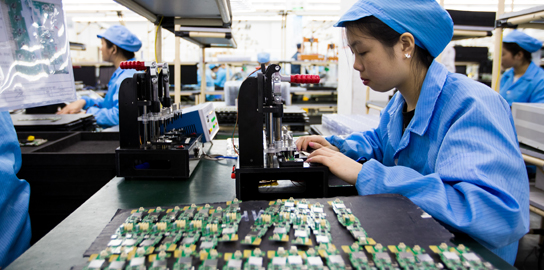
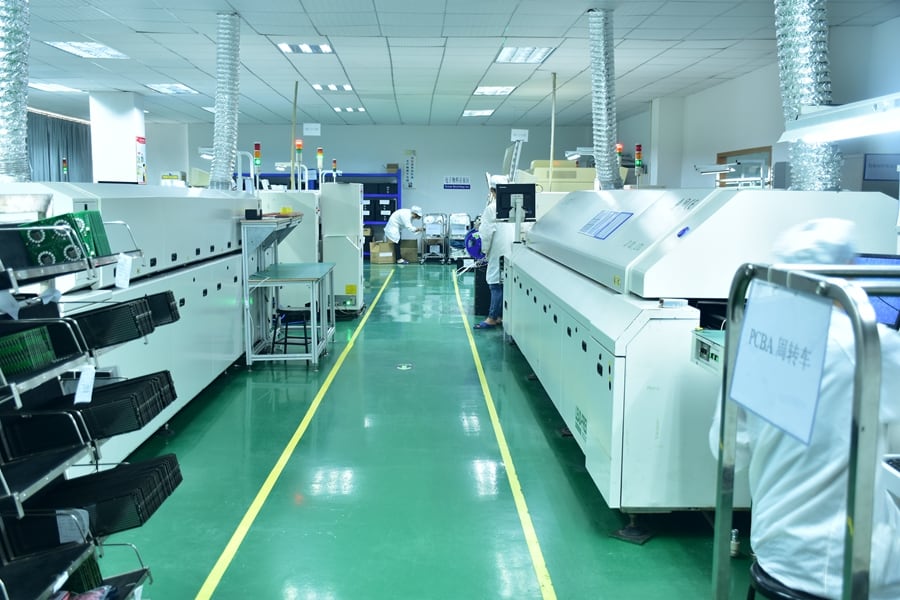
Unitcircuits is a China-based PCB assembly partner providing turnkey electronics manufacturing services worldwide.Our capabilities include SMT assembly, through-hole assembly, mixed-technology assembly, component sourcing, functional testing, box build, and turnkey PCB assembly. With no MOQ support, fast quotations, and flexible production, we help engineers move from Gerber and BOM files to tested PCB assemblies efficiently.
We pride ourselves on getting it right the first time, every time. Whether you need standard PCB assembly or our fast-turnaround service, we ensure quick delivery and your complete satisfaction.
Let’s take a closer look at what our service offers.
What Is PCB Assembly?
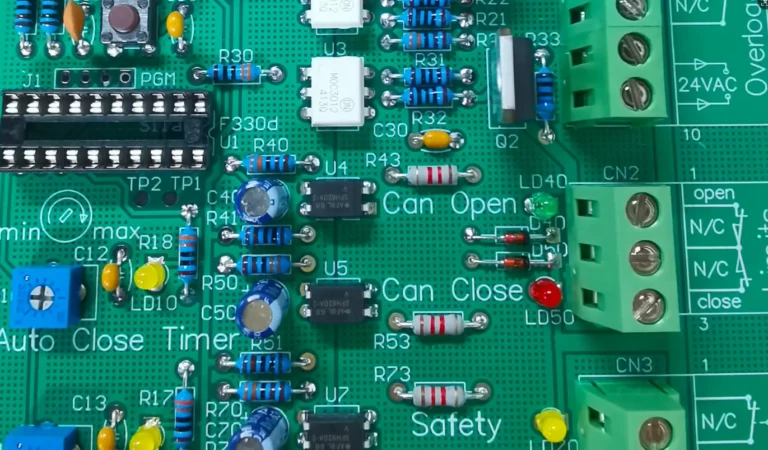
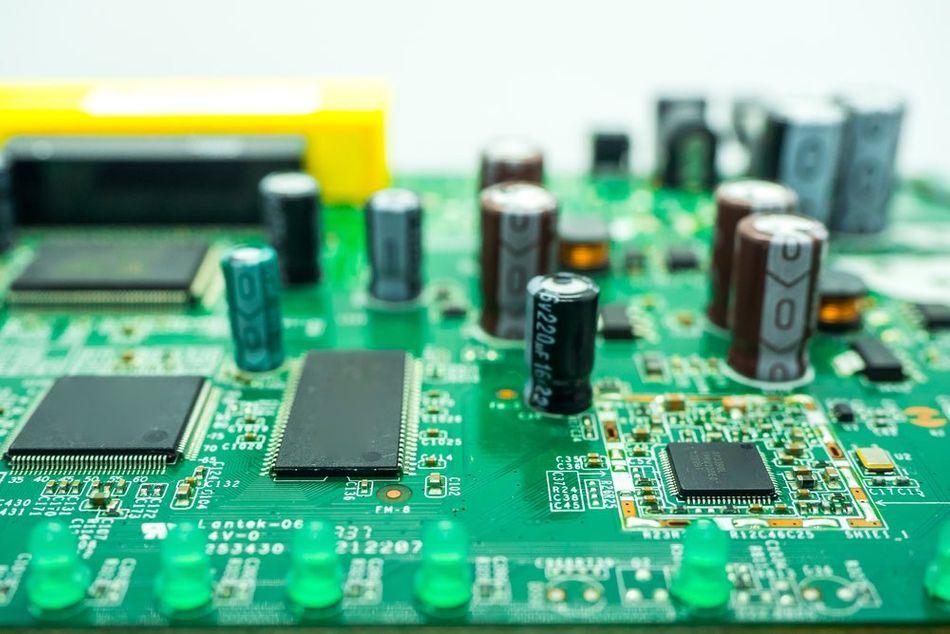
PCB Assembly (PCBA) is the process of mounting and soldering electronic components onto a bare printed circuit board (PCB) to create a fully functional electronic assembly. The process typically includes component sourcing, solder paste printing, SMT (Surface Mount Technology) or Through-Hole Technology (THT) assembly, soldering, inspection, and functional testing. Once all components are installed and verified, the result is a completed PCBA ready for integration into the final electronic product.
Whether you need a prototype or volume production, selecting the right PCB assembly service helps ensure product quality, manufacturing efficiency, and long-term reliability.
Looking for a complete manufacturing solution? Explore our Turnkey PCB Assembly Services for PCB fabrication, component sourcing, assembly, testing, and final delivery.
What PCB Assembly Technologies Do We Support?
At Unit Circuits, we provide multiple PCB assembly technologies to meet different product requirements, production volumes, and design complexities. Our manufacturing capabilities support everything from rapid prototypes to high-volume production while maintaining consistent quality and efficient lead times.
SMT Assembly
SMT (Surface Mount Technology) is the most widely used PCB assembly technology for modern electronic products. Components are mounted directly onto the PCB surface using automated pick-and-place equipment and reflow soldering. SMT enables higher component density, faster production, and excellent manufacturing efficiency, making it ideal for consumer electronics, industrial control systems, communication equipment, and IoT devices.
Learn more about our SMT PCB Assembly solutions.
Through-Hole Assembly
Through-Hole Technology (THT) is commonly used for components that require strong mechanical connections or must withstand vibration, heat, and repeated stress. Component leads are inserted through drilled holes and soldered to the PCB, providing reliable performance for connectors, transformers, large capacitors, and power electronics.
Learn more about our Through-Hole PCB Assembly services.
Mixed-Technology Assembly
Many electronic products combine SMT and Through-Hole Assembly on the same PCB. Mixed-technology PCB assembly takes advantage of SMT’s high-density layout while using through-hole components where greater mechanical strength or higher power handling is required. This approach is widely used in industrial equipment, automotive electronics, power control systems, and complex embedded products.
Discover our capabilities for Mixed PCB Assembly.
Our PCB Assembly Services
Whether you need a single prototype or complete production, Unit Circuits offers flexible PCB assembly services to support every stage of your project. From rapid prototyping and low-volume manufacturing to full turnkey PCB assembly and box build, our integrated capabilities help simplify production and improve delivery efficiency.
SMT vs. Through-Hole PCB Assembly
Different PCB assembly technologies are suited to different applications. The following comparison highlights the key differences between SMT and Through-Hole Assembly.
| Comparison Factor | SMT Assembly | Through-Hole Assembly |
|---|---|---|
| Component Placement | Surface-mounted components | Components inserted through drilled holes |
| Best For | Compact, high-density PCB designs | High-strength mechanical connections |
| Production Speed | Faster, highly automated | Slower, more manual operations |
| Assembly Cost | Lower for medium and high volumes | Higher due to additional labor |
| Typical Applications | Consumer electronics, industrial control, IoT devices | Power electronics, connectors, transformers, aerospace equipment |
SMT is generally preferred for compact and high-volume electronic products, while Through-Hole Assembly remains the better choice for applications requiring superior mechanical strength and long-term reliability. Many modern products combine both technologies to balance performance, durability, and manufacturing efficiency.
Your Trusted Partner for PCB Assembly Solutions
Our PCB assembly capabilities support prototypes, low-volume production, and customized manufacturing projects. We provide flexible assembly services covering SMT, through-hole, mixed-technology PCB assembly, component sourcing, inspection, and functional testing to meet different product requirements.
PCB Assembly Process
- File Review
Gerber files, BOM, centroid data, and assembly drawings are carefully reviewed before production begins. Any manufacturability or component issues are identified and confirmed with the customer to ensure a smooth assembly process. - Component Sourcing
Components are sourced from approved distributors or supplied by the customer. All incoming materials are verified before production to ensure quality and BOM accuracy. - Stencil and Solder Paste Printing
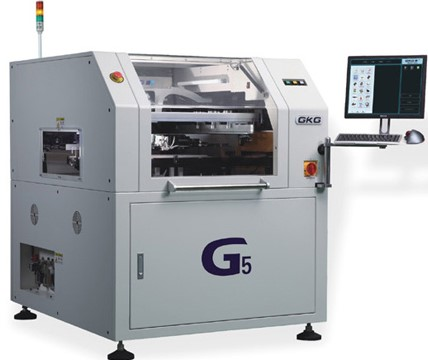
A stainless-steel stencil is used to apply solder paste accurately onto SMT pads. Consistent solder paste deposition helps improve solder joint quality and assembly reliability. - Component Placement
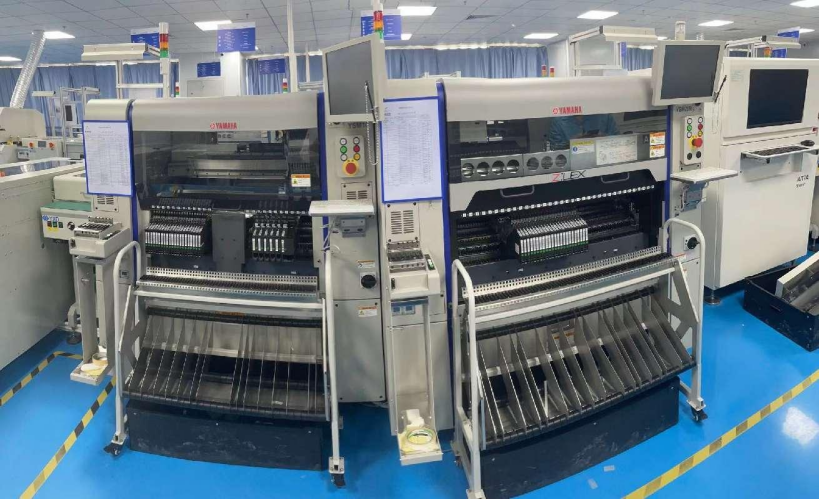
Automated pick-and-place machines position electronic components with high precision. Placement programs are verified to ensure accurate alignment and efficient production. - Reflow or Wave Soldering
Components are soldered using reflow or wave soldering, depending on the assembly technology. Temperature profiles are carefully controlled to ensure reliable solder joints. - Inspection and Testing
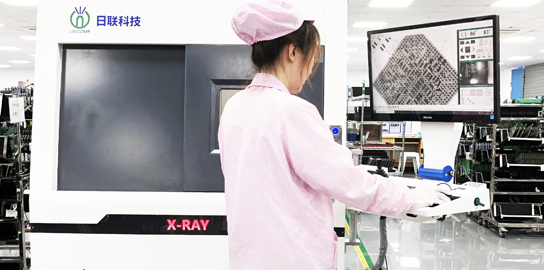
Each PCB assembly undergoes inspection using AOI, X-ray, visual inspection, or functional testing as required. Inspection methods are selected based on component complexity and customer requirements. - Box Build and Packaging
Completed PCB assemblies can be integrated into enclosures, cables, and accessories as part of our box build service. Products are then packaged according to shipping and protection requirements.
PCB Assembly Lead Time
| Project Type | Typical Lead Time |
|---|---|
| Prototype PCB Assembly | 5-10 working days |
| Low Volume Production | 2-4 weeks |
| Mass Production | Based on project requirements |
Lead-free solder paste is printed evenly onto PCB pads to create reliable solder joints for SMT assembly.
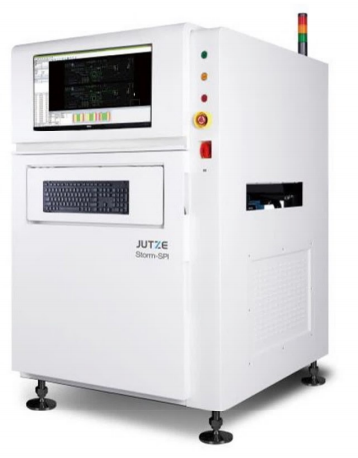
The SPI machine inspects solder paste volume and alignment before component placement to improve assembly accuracy.
Automated pick-and-place equipment positions electronic components quickly and accurately for efficient SMT production.
A controlled reflow process melts solder paste to create strong and reliable electrical connections on the PCB.
Automated Optical Inspection detects missing, misaligned, or defective components before final testing.
The DIP machine inserts through-hole components accurately to improve production efficiency and assembly consistency.
Wave soldering securely joins through-hole components to the PCB for reliable electrical and mechanical performance.
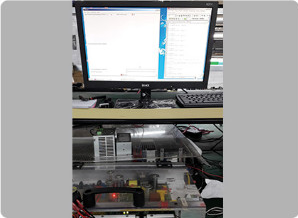
Functional testing verifies that each assembled PCB operates correctly before shipment to the customer.
Box build services integrate PCB assemblies with enclosures, cables, and accessories to deliver complete electronic products.
Final quality inspection and protective packaging help ensure every PCB assembly arrives safely and meets customer requirements.
Inspection Process
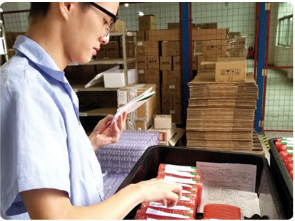
Incoming components are inspected for authenticity, quantity, packaging, and visible defects before production begins.
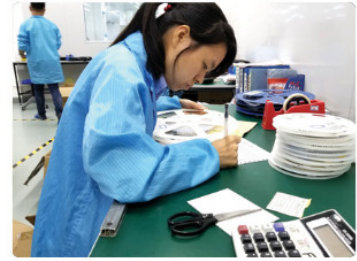
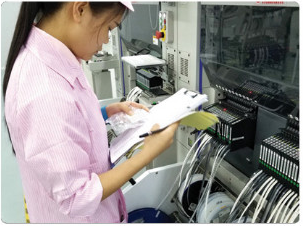
Components are verified against the BOM and workstation requirements to ensure the correct materials are prepared for assembly.
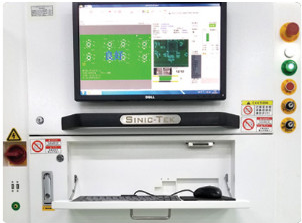
Solder Paste Inspection (SPI) verifies solder paste volume, position, and printing consistency before component placement.
The first assembled PCB is inspected and approved before full production to verify assembly quality and process accuracy.
In-Process Quality Control (IPQC) monitors production continuously to identify and correct quality issues during assembly.
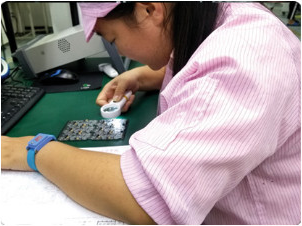
Automated Optical Inspection (AOI) detects missing components, polarity errors, solder bridges, and placement defects.
X-ray inspection verifies hidden solder joints on BGA, QFN, and other complex component packages without damaging the PCB.
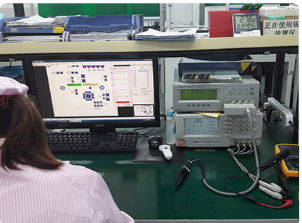
Functional testing verifies that each assembled PCB performs according to the required electrical and operational specifications.
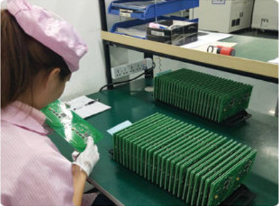
Final quality assurance confirms workmanship, labeling, cleanliness, and product quality before packaging.
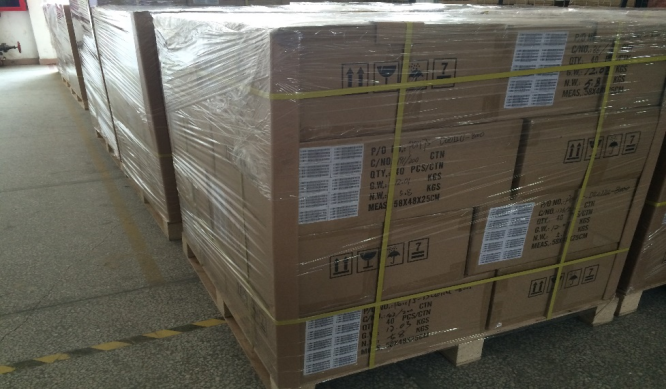
PCB assemblies are securely packaged and prepared for shipment to ensure safe transportation and on-time delivery.
Quality Control
Accurate Testing
Real-Time Tracking
| Capability | Support |
|---|---|
| Order Quantity | No MOQ, prototypes, low-volume production |
| Assembly Technologies | SMT, Through-Hole (THT), Mixed PCB Assembly, BGA |
| PCB Types | Rigid, Flexible, Rigid-Flex, Metal Core (MCPCB), Rogers, Ceramic PCBs |
| Component Packages | 01005, QFN, QFP, BGA, Micro BGA, Fine-Pitch Components |
| Component Sourcing | Full Turnkey, Partial Turnkey, Consigned/Kitted |
| Testing & Inspection | AOI, X-ray Inspection, Functional Testing |
| Soldering Methods | Reflow Soldering, Wave Soldering |
| Repair & Rework | BGA Rework, IR Rework, Component Replacement |
| Production Capacity | Multiple SMT and DIP production lines (based on project requirements) |
Industries We Support
Our PCB assembly services support a wide range of electronic products, from engineering prototypes to low-volume production. We work with customers across multiple industries, providing flexible manufacturing, component sourcing, testing, and customized assembly solutions based on specific application requirements.
PCBA Products
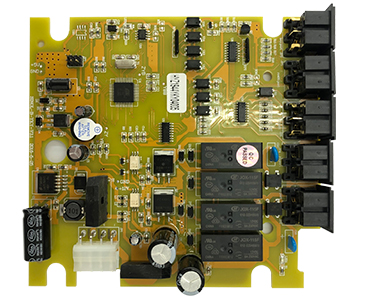
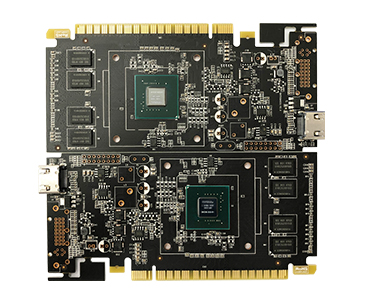
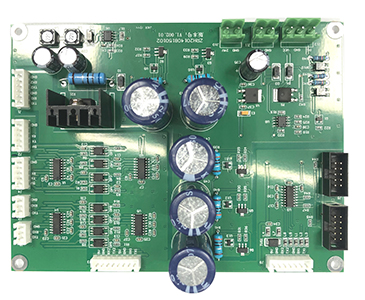
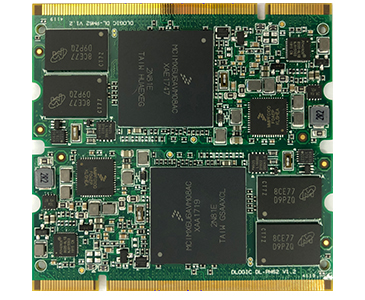
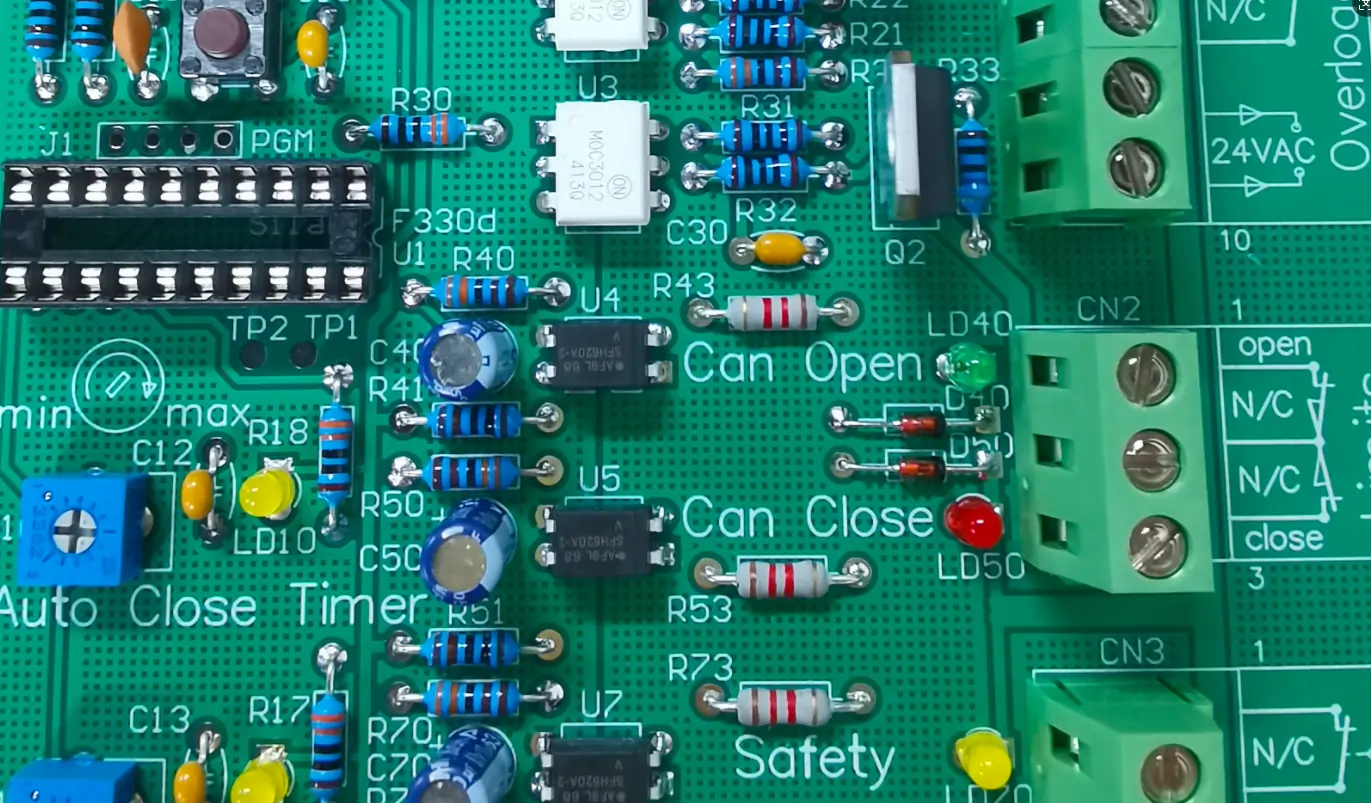
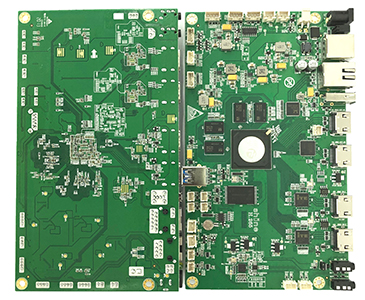
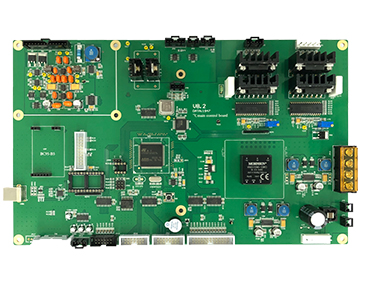
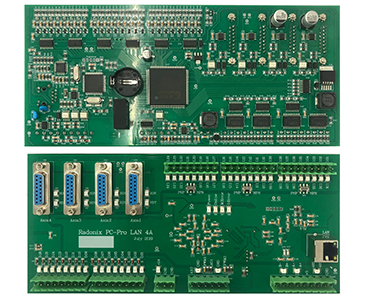
Our PCB assembly projects cover industrial control, motor control, sensing systems, intelligent machines, communication devices, and customized electronic products. The assemblies shown below demonstrate different board sizes, component densities, connector types, and production requirements. Each project can be customized according to Gerber files, BOM data, testing requirements, and enclosure integration needs.
Why Choose Unit Circuits for PCB Assembly?
Choosing the right PCB assembly partner is just as important as selecting the right manufacturing process. At Unit Circuits, we combine flexible production, component sourcing, quality inspection, and responsive engineering support to help customers bring electronic products to market efficiently.
No MOQ Support
Flexible prototype and low-volume PCB assembly support without strict minimum order requirements.
Fast Quotation & Quick Turnaround
Receive fast quotations based on your Gerber files and BOM. Prototype projects can be supported with short lead times depending on project requirements.
Prototype & Low Volume PCB Assembly
Support prototype builds, engineering samples, and low-volume production with flexible quantities.
Electronic components sourced from approved distributors or customer supply.
Coordinated PCB fabrication and assembly for simplified project management.
Testing & Box Build
Optional AOI, functional testing, and box build services before shipment.


Still have questions? Browse the answers below to learn more about our PCB assembly services, manufacturing capabilities, lead times, and quality control processes.
FAQs about PCB Assembly
Unit Circuits provides PCB assembly services including SMT assembly, through-hole assembly, mixed technology assembly, prototype PCB assembly, and turnkey manufacturing solutions. We support different project stages from engineering prototypes to low-volume production, with options for component sourcing, inspection, testing, and customized assembly requirements.
To start a PCB assembly project, customers typically provide Gerber files, BOM (Bill of Materials), centroid data, assembly drawings, and manufacturing instructions. Complete documentation helps ensure accurate component placement, reduce production delays, and achieve reliable assembly quality.
Yes, we support no-MOQ PCB assembly for prototypes, engineering validation, and low-volume production. Flexible order quantities allow customers to test new designs, verify performance, and move from prototype development to larger production without unnecessary inventory pressure.
Yes. We provide electronic component sourcing services through approved suppliers and customer-approved channels. Our team helps manage component availability, purchasing coordination, and supply chain communication to support turnkey PCB assembly projects and reduce customer sourcing workload.
We support multiple PCB assembly technologies, including SMT, through-hole (THT), mixed technology assembly, and fine-pitch component placement. Our production solutions are customized according to PCB design, component types, application requirements, and manufacturing volume.
We provide different PCB assembly testing options depending on project requirements, including AOI inspection, X-ray inspection, visual inspection, and functional testing. Testing methods are selected based on PCB complexity, component packages, and customer quality requirements to ensure reliable product performance.
The lead time for PCB assembly depends on factors such as PCB complexity, component availability, order quantity, and testing requirements. After reviewing your Gerber files and BOM, we provide a production schedule and recommend the most suitable manufacturing approach.
Yes. We provide custom PCB assembly solutions for customers with specific design, component, and production requirements. Our services support prototype development, customized production, component sourcing, assembly, inspection, and testing based on individual project needs.

Our PCB assembly services support industries including industrial control, motor control, gas detection systems, intelligent machines, monitoring equipment, and custom electronic devices. We work with customers requiring flexible manufacturing solutions for different electronic applications.

Consigned PCB assembly means customers provide the components while the manufacturer handles assembly and testing. Turnkey PCB assembly includes PCB fabrication, component sourcing, assembly, inspection, and delivery as a complete solution, reducing supplier coordination for customers.