
Through-Hole PCB Assembly Services for High-Reliability Applications
Through-Hole PCB Assembly Capabilities
- Single & Double-Sided Through-Hole Assembly
- Manual & Automated Component Insertion
- Wave Soldering & Selective Soldering
- Mixed SMT + Through-Hole Assembly
- Prototype & Low-Volume Production
- Component Sourcing Support
- AOI, X-Ray, ICT & Functional Testing
- ISO 9001:2015 & ISO 13485:2016
Through-Hole PCB Assembly Services
Through-hole PCB assembly (THT assembly) is used when electronic components require strong mechanical attachment, higher power handling, or greater durability than surface-mount components can provide. Component leads are inserted through drilled PCB holes and soldered on the opposite side of the board.
Unit Circuits supports prototype and low-volume through-hole PCB assembly, including component sourcing, manual and automated insertion, wave or selective soldering, inspection, testing, and mixed SMT/THT production.

Get a Through-Hole Assembly Quote
Send us your Gerber files & BOM for a manufacturing review and quotation.
What is Through-Hole PCB Assembly?
Through-hole PCB assembly (THT assembly) is a manufacturing method in which component leads are inserted through plated holes in a printed circuit board and soldered on the opposite side. The lead-through-hole connection provides strong mechanical support, making THT particularly suitable for components exposed to vibration, mechanical stress, high current, or repeated physical handling.
Unlike surface mount technology (SMT), which mounts components directly onto PCB pads, through-hole assembly uses drilled holes and component leads to create a stronger physical connection. THT is commonly used for connectors, transformers, large capacitors, relays, switches, and other components that require mechanical strength or higher power handling.
Modern PCB assemblies often combine both technologies. SMT is typically used for compact, high-density components, while through-hole assembly is reserved for mechanically demanding or high-power components. This mixed-technology approach allows manufacturers to balance PCB density, production efficiency, and mechanical reliability.
Benefits of Through-Hole PCB Assembly
Through-Hole PCB assembly has several advantages, particularly for certain applications. Here are the key benefits:
- 1. Strong Mechanical Connections
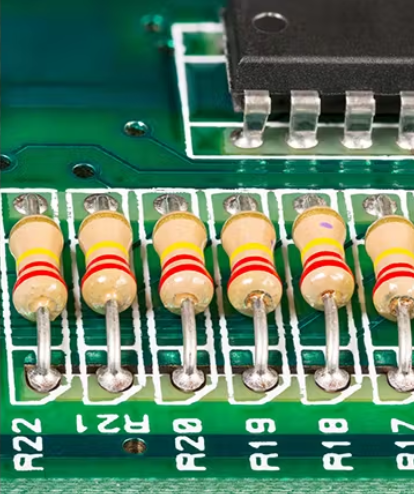
Leads passing through the PCB provide strong mechanical retention, making THT suitable for assemblies exposed to vibration, repeated plugging and unplugging, or physical stress.
- 2. Suitable for Large and High-Power Components
Through-hole assembly accommodates components such as transformers, relays, connectors, switches, and large capacitors that may require additional mechanical support or higher current handling.
- 3. High Durability in Demanding Applications
THT is widely used in industrial controls, automotive electronics, power systems, and other applications where mechanical reliability and long service life are important.
- 4. Easier Manual Rework and Replacement
Many through-hole components can be manually inspected, desoldered, and replaced, which can simplify repair and maintenance for certain PCB assemblies.
Common Through-Hole PCB Assembly Defects and How We Prevent Them
Through-hole PCB assembly provides strong mechanical connections, but soldering and component insertion must be carefully controlled to achieve consistent quality. Common THT assembly defects include:
1. Insufficient Hole Fill
Insufficient solder penetration through the plated through-hole can create weak or unreliable joints. Proper thermal profiling, flux application, and soldering parameters help achieve consistent hole fill.
2. Cold Solder Joints
Cold joints can occur when the lead, pad, or solder does not reach the proper temperature. Controlled soldering temperatures and process monitoring help create reliable electrical and mechanical connections.
3. Solder Bridges
Excess solder can form unintended connections between adjacent leads or pads, potentially causing short circuits. Optimized solder volume and visual inspection help identify and prevent bridging.
4. Component Misalignment
Incorrect component insertion, orientation, or lead positioning can cause assembly and functional problems. Component placement and polarity are checked before and after soldering.
5. Lifted Pads or PCB Damage
Excessive heat or mechanical force during soldering and rework can damage pads or plated holes. Controlled soldering and rework procedures help reduce the risk of PCB damage.
After soldering, assemblies can be inspected using visual inspection, AOI, X-ray inspection where applicable, ICT, and functional testing according to project requirements.
Through-Hole PCB Assembly Process
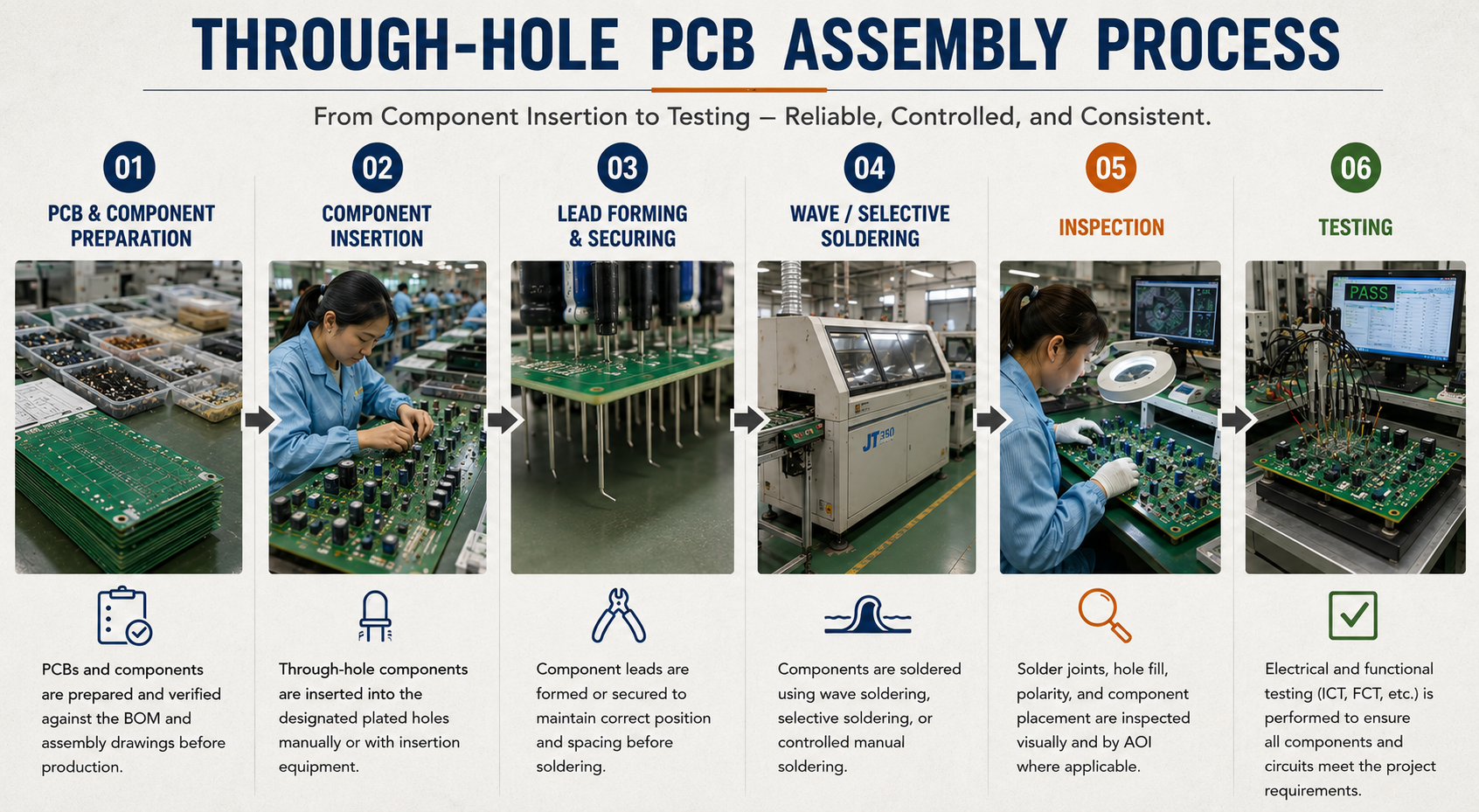
1. PCB and Component Preparation
Gerber files, BOM data, component specifications, polarity, lead dimensions, and PCB hole requirements are reviewed before assembly. PCBs and components are prepared according to the production requirements.
2. Component Insertion
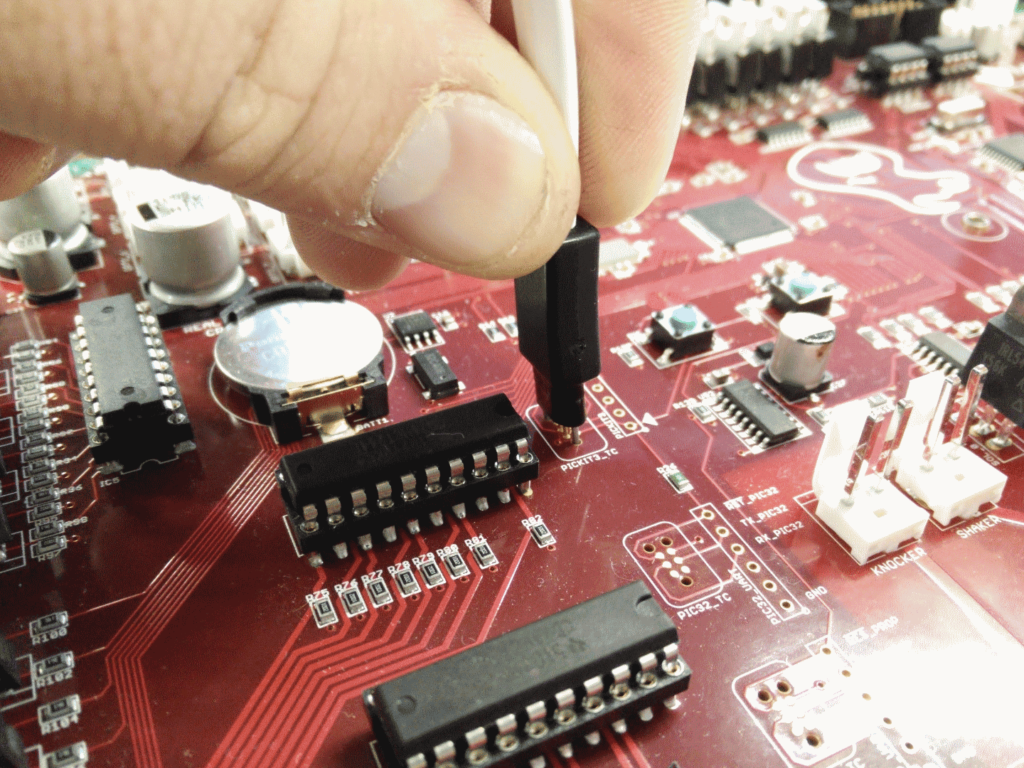
Through-hole component leads are inserted into the designated plated holes manually or with automated insertion equipment, depending on component type, board design, and production volume.
3. Lead Forming and Component Securing
Where required, component leads are formed or secured to maintain the correct position and spacing before soldering.
4. Wave, Selective, or Manual Soldering
Depending on the PCB design and component requirements, through-hole joints can be soldered using wave soldering, selective soldering, or controlled manual soldering. Mixed SMT/THT assemblies may require selective processing to protect nearby surface-mount components.
5. Cleaning and Inspection
After soldering, assemblies are inspected for solder bridges, insufficient hole fill, component orientation, joint quality, and other workmanship issues. Cleaning is performed when required by the assembly process and flux chemistry.
6. Electrical and Functional Testing
Depending on customer requirements, assembled boards can undergo ICT, continuity checks, functional testing, or other project-specific verification before shipment.
Through-Hole vs. SMT Assembly: Which Should You Choose?
Through-hole technology (THT) and surface mount technology (SMT) serve different PCB assembly requirements. SMT is generally preferred for compact, high-density, and automated production, while through-hole assembly is often selected for components that require stronger mechanical retention, larger component sizes, or greater resistance to physical stress.
| Factor | Through-Hole (THT) Assembly | SMT Assembly |
|---|---|---|
| Component Mounting | Leads inserted through drilled PCB holes | Components mounted directly onto PCB pads |
| Mechanical Strength | Strong mechanical retention | Suitable for most standard electronic assemblies |
| Component Density | Lower | Higher |
| Typical Components | Connectors, relays, transformers, switches, large capacitors | ICs, resistors, capacitors, BGAs and other compact SMDs |
| Soldering Methods | Wave, selective, or manual soldering | Reflow soldering |
| Automation | Lower to moderate | Highly automated |
| Typical Applications | Industrial controls, power electronics, equipment exposed to vibration or physical stress | Consumer electronics, IoT, communications, compact electronic products |
| Mixed Assembly | Often combined with SMT | Often combined with THT when mechanically demanding components are required |
When Should You Choose Through-Hole Assembly?
Through-hole PCB assembly is a strong choice when your design includes large connectors, transformers, relays, switches, or other components that experience mechanical stress. It is also commonly used when component replacement, manual assembly, or additional mechanical retention is important.
Many modern PCB designs do not require an either-or decision. Mixed SMT and through-hole assembly combines the high component density and production efficiency of SMT with the mechanical advantages of through-hole components.
If your project primarily uses surface-mount components, learn more about our SMT Assembly Services for prototype and low-volume production.
Why Choose Unit Circuits for Through-Hole PCB Assembly?
Choosing a through-hole PCB assembly supplier requires more than competitive pricing. Consistent soldering quality, component control, inspection, testing, and reliable delivery are critical to long-term production. Unit Circuits supports THT projects from prototype builds through low-volume production.
1. Prototype and Low-Volume THT Assembly
We support prototype and low-volume through-hole PCB assembly, helping engineers validate designs and move efficiently from initial builds to repeat production.
2. Flexible Through-Hole Soldering
Depending on board design and component requirements, projects can use manual soldering, wave soldering, or selective soldering to accommodate different component types and mixed-technology assemblies.
3. Component Sourcing and BOM Support
We can source electronic components according to your BOM and help identify component availability or sourcing issues before production.
4. Inspection and Testing
Through-hole assemblies can be inspected and tested according to project requirements, including visual inspection, AOI where applicable, ICT, and functional testing.
5. Turnkey PCB Assembly Support
For projects requiring PCB fabrication, component sourcing, SMT and through-hole assembly, inspection, and testing, Unit Circuits can coordinate the complete PCBA manufacturing process through one supplier.
Need both SMT and through-hole production? Explore our complete PCB Assembly Services for PCB fabrication, component sourcing, mixed-technology assembly, inspection, and testing.
Frequently Asked Questions
What is through-hole PCB assembly?
Through-hole PCB assembly is a manufacturing process in which component leads are inserted through plated holes in a PCB and soldered on the opposite side. It is commonly used for connectors, relays, transformers, switches, large capacitors, and other components that require strong mechanical retention.
What is the difference between through-hole and SMT assembly?
Through-hole assembly inserts component leads through drilled PCB holes, while SMT mounts components directly onto surface pads. THT is often preferred for components exposed to mechanical stress or requiring stronger physical attachment, while SMT is better suited to compact, high-density, and highly automated PCB assembly.
What soldering methods are used for through-hole PCB assembly?
Through-hole components can be soldered using wave soldering, selective soldering, or controlled manual soldering. The appropriate method depends on PCB design, component type, production volume, and whether the board combines SMT and through-hole components.
Can you assemble PCBs with both SMT and through-hole components?
Yes. Mixed-technology PCB assembly combines SMT components with through-hole components on the same board. SMT is typically used for compact, high-density components, while THT may be used for connectors, transformers, relays, switches, and other mechanically demanding components.
What files do I need for a through-hole PCB assembly quote?
For an accurate quote, please provide your Gerber files, BOM (Bill of Materials), PCB quantity, and any available assembly drawings or special manufacturing requirements. Testing requirements and component sourcing preferences should also be included when applicable.
Do you provide component sourcing and testing for THT assembly?
Yes. Unit Circuits can support component sourcing, PCB fabrication, through-hole and mixed-technology assembly, inspection, and testing according to project requirements. Available verification can include visual inspection, AOI where applicable, ICT, continuity checks, and functional testing.
What Do You Need for a Through-Hole PCB Assembly Quote?
To provide an accurate quote, please send your PCB manufacturing and assembly files together with your quantity and testing requirements.
- Gerber Files
- BOM (Bill of Materials)
- Assembly Drawing / Pick-and-Place File, if available
- Order Quantity
- Component Sourcing Requirements
- Testing Requirements
START YOUR THT ASSEMBLY PROJECT
Get a Through-Hole PCB Assembly Quote
Ready to start your through-hole PCB assembly project? Send us your Gerber files, BOM, quantity, and assembly requirements. Our team will review your project and provide a quote based on your PCB, component sourcing, assembly, and testing needs.

 Assemble 20 PCBAS for $0