
Quick Leads-PCBA

💡 Looking for full-service PCB Assembly?
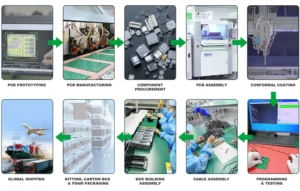
We offer turnkey solutions from PCB manufacturing to testing.
Hardware startups in 2026 face tighter budgets and faster timelines than ever. Traditional PCB manufacturing models slow them down with high MOQs and long lead times. But a new wave of low MOQ PCB assembly services is changing the game, making prototyping faster, cheaper, and more flexible.
Low MOQ PCB manufacturing allows hardware startups to order small quantities—sometimes as low as one unit—without the traditional cost barriers. With integrated turnkey PCB assembly, startups benefit from streamlined processes including SMT placement, BOM analysis, stencil printing, and functional testing. This flexibility accelerates iteration, reduces risk, and ensures quality even in small batches.
This article dives deep into the technical and strategic reasons why low MOQ PCB assembly is transforming the hardware startup ecosystem—and how to choose the right solution.
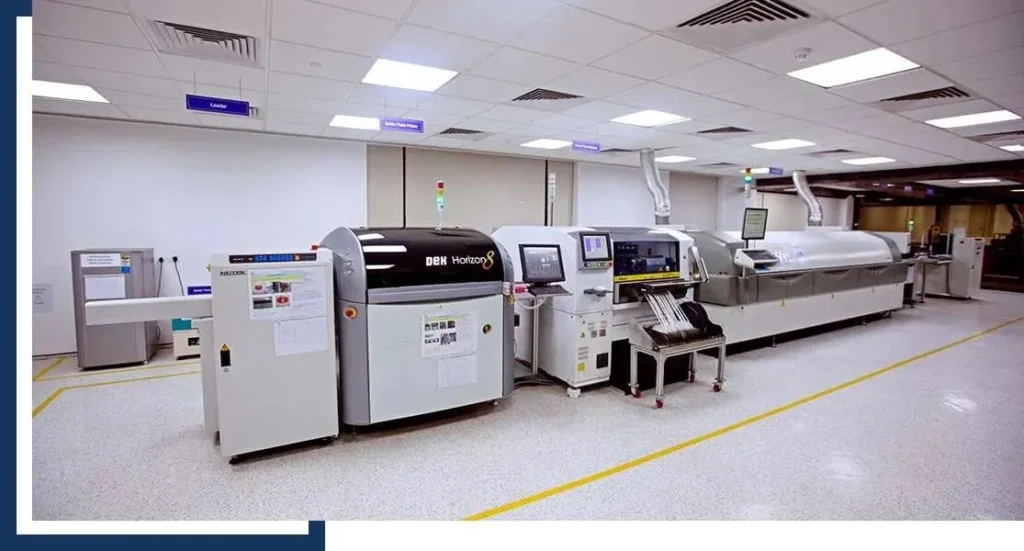
What Is No MOQ PCB Assembly and Why Does It Matter for Startups?
Startups need agility. No MOQ PCB assembly eliminates the traditional entry barrier of ordering hundreds or thousands of units up front. Instead, you can place a small order—sometimes even just 1 board—to test a design before committing more resources.
Benefits include:
-
Reduced financial risk: Test before scaling.
-
Faster prototyping: Go from design to test within days.
-
Resource flexibility: Reallocate your budget as you iterate.
In contrast, traditional factories prioritize high-volume runs to justify setup costs, meaning long lead times, high upfront investment, and zero tolerance for design errors.
6 Major Pain Points in PCB Manufacturing for Startups (2026 Edition)
Based on industry trends, hardware founders consistently face these six hurdles. Here’s how low MOQ PCB solutions help solve them:
1. Limited Budget & Financial Risk
Large orders tie up capital. When designs aren’t proven, this becomes a major gamble.
✅ Solution: Small batch PCB assembly lets you validate before scaling—minimizing waste and maximizing budget efficiency.
2. Frequent Design Changes
Early-stage products evolve fast. Traditional suppliers punish changes with new tooling fees or high NREs.
✅ Solution: Quick-turn, no MOQ services accommodate frequent revisions with minimal cost.
3. Lack of Reliable, Long-Term Suppliers
Startups need consistency, but many vendors focus on large clients.
✅ Solution: The best turnkey PCB assembly services in China now offer startup-friendly terms, prioritizing quality, DFM support, and longevity.
4. Weak Supply Chain & Logistics Resources
Founders often lack sourcing networks and global shipping knowledge.
✅ Solution: PCBA turnkey solutions bundle sourcing, logistics, and even customs handling into one invoice.
5. Limited Technical Support
Communication delays and misunderstandings cost time and money.
✅ Solution: Providers offering Gerber/BOM upload with built-in DFM review, instant quoting, and direct engineer feedback reduce email ping-pong.
6. Pressure to Shorten Time-to-Market
A slow supplier = missed launch = lost opportunity.
✅ Solution: Agile, small-batch runs enable fast learning and confident go-to-market strategies. The global market is responding with agile solutions—North American PCB shipments rose by 32% in September 2025 alone, signaling a demand for faster, small-batch manufacturing.
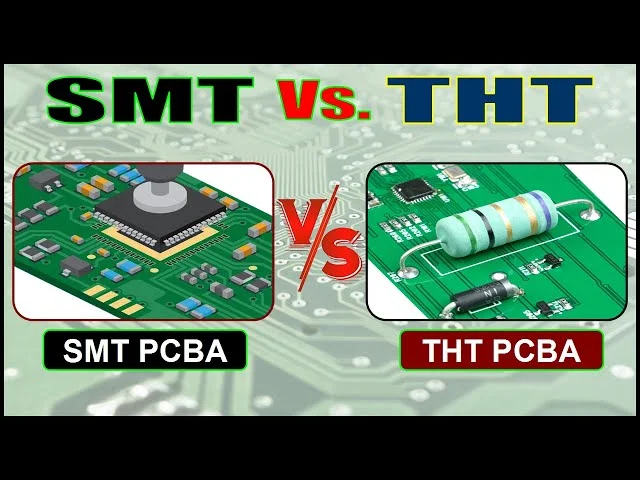
Turnkey PCB Assembly vs. Traditional Manufacturing
What exactly is turnkey PCB assembly, and how is it different?
| Feature | Turnkey Assembly | Traditional Model |
|---|---|---|
| Quoting | Online/instant | Email/manual |
| Component Sourcing | Included | Separate vendor |
| SMT & THT Assembly | Fully handled | Sometimes outsourced |
| Functional Testing | Often included | Optional, costly |
| Lead Time | 3–10 days | 4–6 weeks |
| MOQ | None or very low | Often 100+ units |
Turnkey providers streamline everything—reducing the need for founders to juggle multiple vendors, track shipments, or oversee SMT line schedules.
Unit Circuits: Leading PCBA Manufacturer
 ISO-certified & 8+ years of PCBA Low MOQ & Fast Turnaround Prototype & Mass production
Limited Time Offer:
Get $100 off your order TODAY!
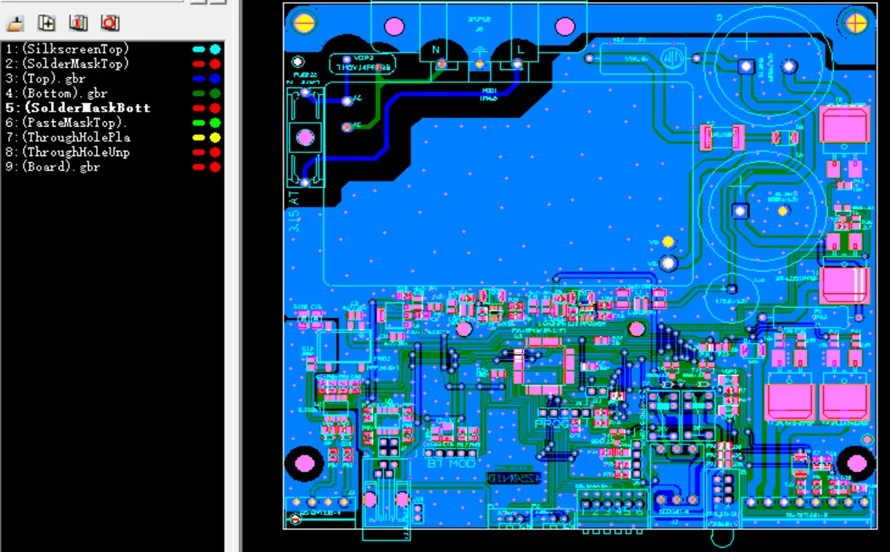
Challenges During SMT Placement and How to Solve Them
SMT PCB assembly for small batches is more complex than many expect. Setup costs (stencil, pick & place programming), soldering quality, and human errors are magnified in short runs.
Common SMT issues:
-
Misaligned components (caused by poor stencil design or vibration)
-
Tombstoning (when one end lifts off the board during reflow)
-
Solder bridges
Solutions:
-
High-precision stencil printing to ensure accurate solder paste application.
-
Controlled reflow soldering profiles to manage thermal behavior.
-
AOI inspection for catching defects in real-time.
Post-Soldering Problems in Small Batch Assembly and Fixes
After soldering, quality assurance is key—especially when volumes are low. If one board fails in a batch of 5, that’s a 20% failure rate.
Even with advanced equipment, small batch PCB runs are vulnerable to soldering defects like cold joints or bridging. To dive deeper into common causes and proven solutions, read this detailed breakdown of 8 common PCB assembly problems.
Common post-soldering issues:
-
Cold joints
-
Open circuits
-
Oxidation effects
-
Incorrect component placement (wrong polarity, etc.)
Solutions:
-
Visual inspection + AOI
-
Functional testing for PCB to simulate real-world performance
-
BOM analysis to confirm component matching
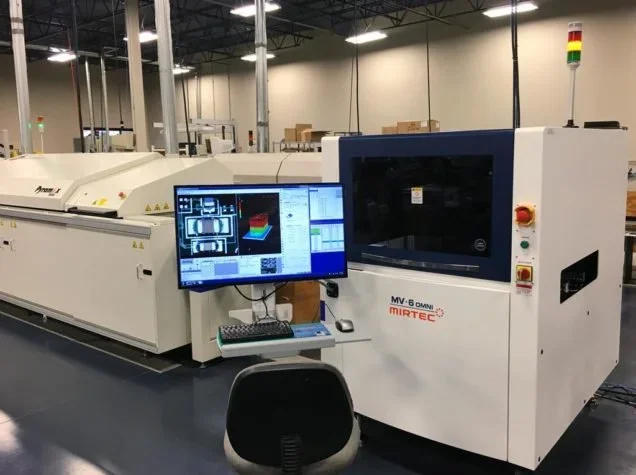
How to Order PCB Assembly from a Gerber File
Ordering used to require long email chains. Now? A few clicks.
Here’s how the process works:
-
Export your Gerber file from your EDA tool (KiCad, Altium, Eagle).
-
Prepare your BOM (including part number, value, footprint, and quantity).
-
Upload Gerber and BOM for instant PCB quote on the provider’s platform.
-
Receive automated DFM feedback.
-
Confirm, pay, and start production.
These platforms also let you compare lead time vs. cost in real-time—empowering faster decisions.
Many turnkey PCB assembly platforms now support fast quoting just by uploading your design files. If you’re unsure how to prepare these files, check out this step-by-step guide on preparing Gerber and BOM files for no MOQ assembly. It covers formatting, naming conventions, and common mistakes to avoid.
Why Low MOQ PCB Manufacturing Shortens Time-to-Market
Every week matters in startup land.
-
Prototype faster
-
Fix issues before scale
-
Test market demand
-
Lock in investors with working demos
Traditional manufacturers can’t support this level of speed. But China PCB assembly for hardware startups is now tailored to lean product cycles, with 3–7 day turnaround on prototypes and 7–15 days for production.
Turnkey PCB assembly drastically simplifies sourcing, assembly, and testing—ideal for startups juggling time and cash. Learn more about how turnkey PCB assembly streamlines production and reduces costs.
What to Look for in a Low MOQ PCB Assembly Partner
Not all suppliers are startup-ready. Here’s a quick checklist to help:
✅ Supplier Evaluation Checklist:
-
Offers instant quoting from Gerber and BOM
-
Provides DFM and engineer feedback
-
Includes component sourcing service
-
Supports functional testing and AOI
-
Has transparent pricing (no hidden fees)
-
Responds within 24 hours
-
Has English-speaking support for smooth communication
If your supplier doesn’t tick most of these boxes, you may be losing time and money.
FAQs
1. What are the top PCB industry trends in 2026 that affect hardware startups?
In 2025, the PCB industry is shifting toward flexible production, AI-assisted DFM, and low MOQ PCB assembly. Startups now benefit from faster prototyping cycles, turnkey PCB assembly solutions, and real-time quoting systems. These trends make it easier to validate hardware products without committing to large-volume runs—perfect for agile development and budget-conscious teams.
2. How is AI changing the future of PCB manufacturing and design?
AI is transforming PCB manufacturing by automating BOM analysis, detecting design flaws, and optimizing component placement during SMT PCB assembly. Some turnkey providers now offer AI-powered DFM feedback instantly after you upload your Gerber file and BOM, helping engineers accelerate product validation and reduce human error—without increasing costs.
3. Is turnkey PCB assembly suitable for advanced multilayer or HDI boards?
Yes. Leading turnkey PCB assembly services in China now support multilayer PCBs, HDI designs, and even boards requiring through-hole assembly or fine-pitch SMT. With advanced fabrication lines and AOI inspection, they ensure precise production, even for complex boards. Low MOQ options make it ideal for testing advanced designs before full-scale production.
4. How does PCB assembly relate to semiconductor industry trends in 2026?
As semiconductor packaging gets smaller and more complex, PCB assembly and semiconductor integration are increasingly interconnected. Startups working with chipsets, sensors, or RF modules require PCB manufacturing with functional testing to ensure signal integrity and thermal management. Turnkey PCBA providers help bridge this gap with precision assembly and custom testing services.
Have Specific Requirements?
Looking for high-precision PCB assembly for your products? Our team specializes in delivering top-tier assembly services, ensuring your devices perform flawlessly in any environment. Contact us today for a free consultation on how we can enhance your product’s reliability.
Conclusion: The Future Is Agile Hardware
Low MOQ PCB assembly lets startups move faster, safer, and smarter. It solves traditional pain points and offers technical advantages at every step. If you’re ready to reduce risk and accelerate development, it’s time to explore turnkey, small-batch PCB services tailored for 2026’s competitive hardware landscape.
Save on your next PCB project?
Claim $100 OFF your order today.
✅ high-quality PCB assembly with strict quality control ✅ ISO-certified & 8+ years of experience. ✅ Low MOQ, fast turnaround, and 100% E-tested PCBs.
Additional Resources:
- How to Repair Circuit Boards: A Step-by-Step Beginner’s Guide
- Capacitor on Circuit Board: A Comprehensive Guide
- What Are PCB Conformal Coatings? Types, Benefits, and Applications Explained
- SMD Size Codes Explained: A Complete Guide to Understanding Surface-Mount Component Dimensions
- AC vs DC: Key Differences, Applications, and Advantages in Modern Electronics
Request for Quote
RECENT POSTS
IC Boards Explained: Applications, Layout Tips, and Assembly Services
Discover what IC boards are, how they’re used in modern electronics, and how to design
HDI PCB vs Multilayer PCB: How to Choose the Right One for Cost, Signal Integrity & Manufacturing
HDI PCB vs multilayer PCB explained from a manufacturing and assembly perspective. Learn how cost,
RELATED POSTS
Leading PCBA Manufacturer
✅ Assemble 20 PCBAS for $0 ✅ Get $100 OFF – Risk-Free Trial!
✅ 100+ Satisfied Customers
✅ Ensured Quality & On-Time Delivery
✅ Free Trial, No Commitments!