
To choose a PCB assembly manufacturer for industrial control electronics, evaluate six areas first: manufacturing capability, component sourcing, quality control, testing capability, lead time, and support from prototype through production. The right supplier should be able to meet your PCB and BOM requirements, provide appropriate inspection and testing, and maintain consistent production as volumes increase.
Price matters, but it should not be evaluated alone. A low assembly quote can become expensive if component substitutions are poorly controlled, testing requirements are unclear, or production quality varies between batches.
This guide shows engineering and purchasing teams what to check, what to ask potential PCB assembly manufacturers, and how to compare suppliers before placing an order.
Quick Leads-PCBA
1. Check Manufacturing and Assembly Capabilities
Start by checking whether the manufacturer can build the board you actually designed. Review the PCB specifications, component packages, assembly methods, production quantity, and any process requirements that may affect manufacturing.
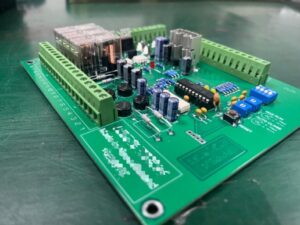
Industrial control boards often use a mix of SMT components and through-hole parts such as connectors, relays, terminals, or other mechanically loaded components. If your design uses both technologies, confirm that the supplier can support the required SMT and through-hole assembly within the same production process. These capabilities are particularly relevant to industrial control PCB assembly, where board construction and assembly requirements can vary between applications.
Also check whether the supplier can support the PCB requirements behind the assembly, such as board material, layer count, copper weight, surface finish, dimensions, and other design-specific specifications. For projects that combine PCB fabrication and assembly, these requirements should be reviewed together before quotation.
The practical question is simple: can the manufacturer build your specific PCB and assembly configuration without changing the approved design simply to fit its production capability?
2. Evaluate Component Sourcing and BOM Control
A capable PCB assembly supplier should review the BOM before purchasing, not simply order whatever part number appears on the list. Check whether the supplier verifies manufacturer part numbers, package details, quantities, availability, and any customer-defined sourcing restrictions.
For industrial control projects, component sourcing also needs a clear process for shortages, obsolete parts, and long-lead components. If a specified part is unavailable, the supplier should identify the issue before purchasing and confirm whether you want to wait, supply the part yourself, or review an alternative. You can learn more about our electronic component sourcing and procurement process for PCB assembly projects.
Pay particular attention to substitutions. An alternative component should not be treated as equivalent simply because the package or basic specification appears similar. Electrical parameters, tolerance, temperature rating, lifecycle status, and application requirements may also affect suitability. Any proposed substitution should be approved before purchasing and assembly.
For supplier comparison, ask each company to identify BOM exceptions during quotation. This makes it easier to compare quotes on the same purchasing basis rather than discovering sourcing differences after an order is placed.
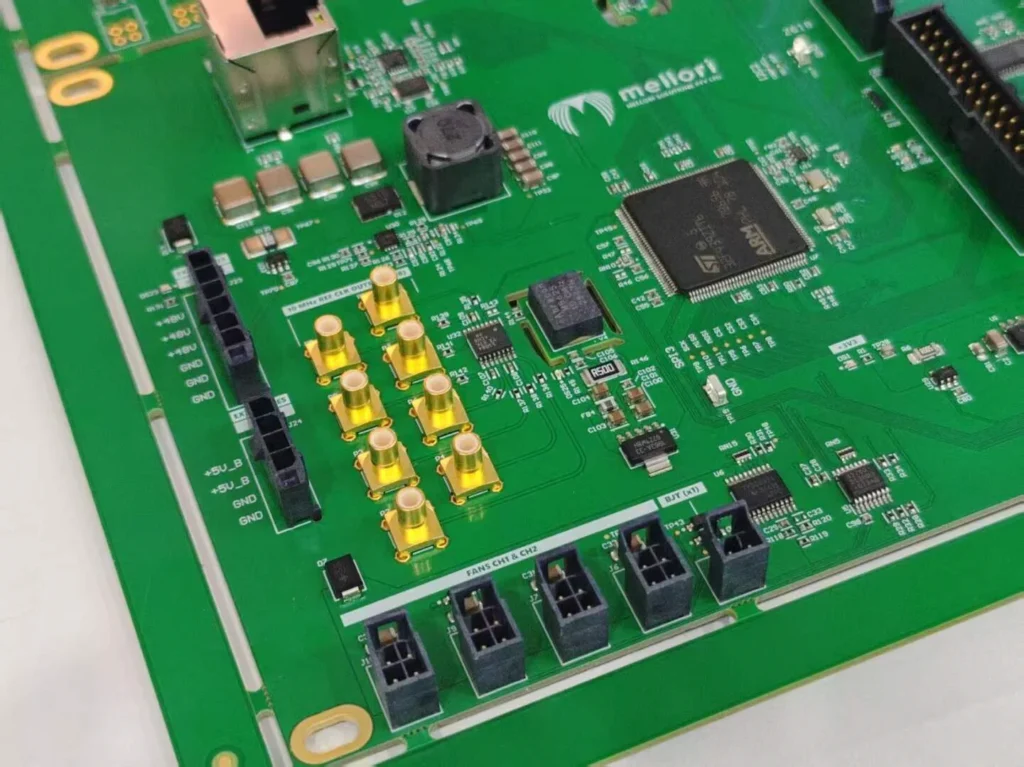
3. Check Quality Control and Traceability
Quality claims are difficult to compare unless a PCB assembly manufacturer can explain what is inspected, when it is inspected, and what records are maintained. Ask how the supplier controls incoming materials, assembly quality, workmanship issues, and final inspection for your specific project.
For industrial control PCBAs, the inspection plan should match the board rather than follow a generic checklist. Depending on the design and agreed production requirements, this may involve solder paste inspection, AOI, X-ray inspection for hidden solder joints, visual inspection, or other applicable methods. Not every board requires every inspection method, so ask which controls will actually be used for your assembly.
Traceability requirements should also be agreed before production. If your project requires component lot or date-code information, supplier records, inspection results, or other production documentation, confirm what can be recorded and retained for each production batch.
When comparing suppliers, ask for the proposed inspection and traceability scope in writing. A specific answer is more useful than a general statement such as “strict quality control.”
4. Verify Functional Testing Capabilities
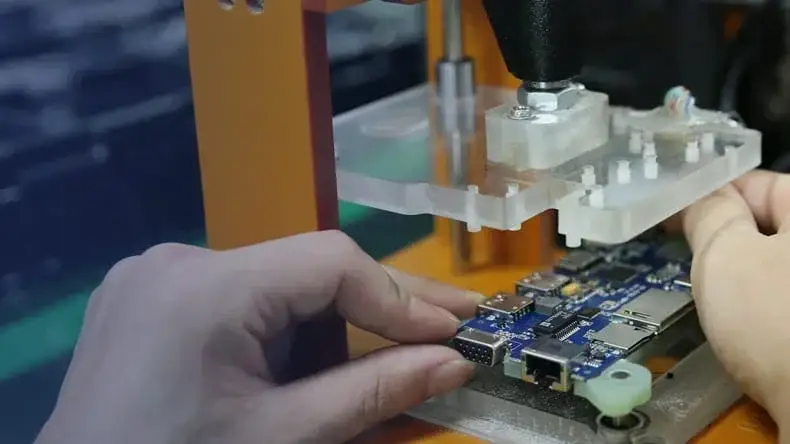
Inspection can identify many assembly defects, but it does not confirm that an assembled board performs its intended functions. For industrial control projects, ask the manufacturer what functional testing can be performed and what information or test fixtures are required from you.
The test scope should follow the actual application. Depending on the board, this may include checking power rails, input and output signals, communication interfaces, switching or control functions, and other customer-defined operating conditions. A signal controller board and a power regulation controller, for example, should not be treated as if they require the same functional test.
Before ordering, confirm who defines the test procedure, whether a fixture or test program is required, what constitutes a pass or failure, and whether test results need to be recorded. If testing is part of your supplier-selection criteria, review the available PCB functional testing support before finalizing the production scope.
The key question is not simply “Do you offer functional testing?” Ask instead: “How will you verify the functions that matter on my board?”
5. Check Prototype-to-Production Flexibility
A supplier that works well for a prototype is not automatically the right choice for repeat production. Ask whether the same manufacturer can support prototype, low-volume, and recurring production while maintaining the approved BOM, assembly requirements, and testing scope.
For early-stage industrial control projects, flexibility matters because quantities and designs may change between revisions. Check how the supplier handles engineering changes, revised Gerber files or BOMs, and small production runs. If there is no fixed PCB assembly MOQ, also confirm whether individual components are subject to supplier minimum quantities, package quantities, or order multiples.
For repeat orders, focus on consistency. Ask how the manufacturer manages approved production files, BOM revisions, component changes, and project-specific requirements from one batch to the next. This is especially important when a prototype moves into regular production and purchasing volumes begin to increase.
The goal is not simply to find the supplier with the lowest MOQ. It is to choose a PCB assembly partner that fits the expected production lifecycle of your product.
6. Compare Quotation, Lead Time, and Communication
Do not compare PCB assembly suppliers on the quoted total alone. First check whether each quotation covers the same scope: PCB fabrication, components, assembly, testing, tooling or fixtures, and any project-specific requirements. A lower price is not necessarily a better offer if important items are excluded or left undefined.
Lead time should also be separated into its main drivers. Component availability, PCB fabrication, assembly scheduling, testing, and shipping can affect the overall delivery schedule differently. Ask the manufacturer to identify any long-lead parts or other constraints that could affect the quoted schedule before you place the order.
Technical communication is another useful selection criterion. During quotation, note how the supplier handles unclear BOM items, conflicting files, component substitutions, testing questions, and engineering changes. These early interactions often show how efficiently technical issues will be handled once production begins.
Before choosing a supplier, compare price, scope, lead time, and technical responses together. The most useful quotation is one that makes clear what will be supplied, what still requires confirmation, and which assumptions were used to calculate the price and schedule.
What Should You Send a PCB Assembly Manufacturer for a Quote?
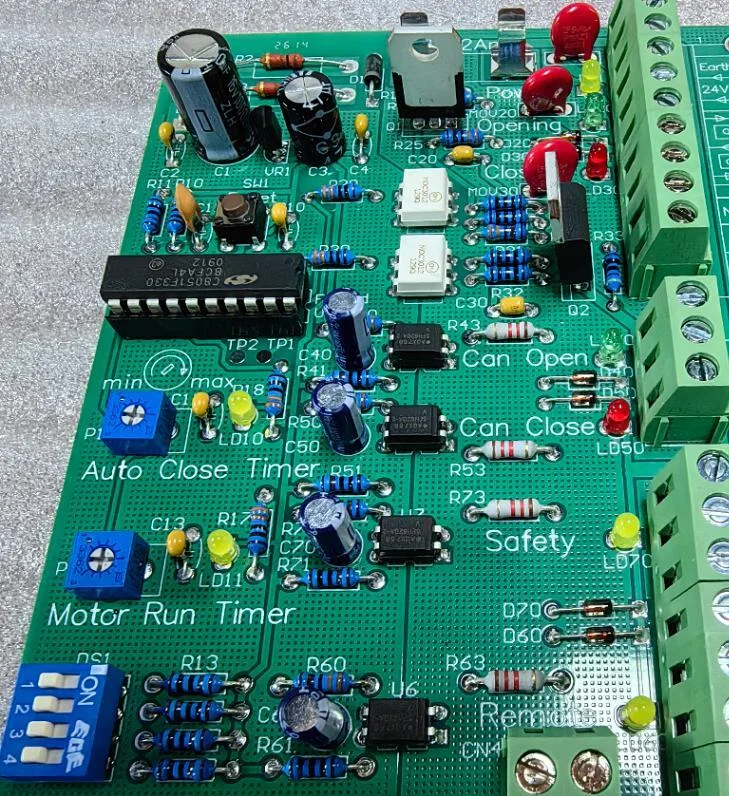
A PCB assembly quotation is only as accurate as the information provided with the RFQ. For an industrial control project, send the manufacturer enough production data to identify the board, components, assembly scope, quantity, and testing requirements.
At minimum, prepare:
- Gerber files: PCB fabrication data and applicable board specifications.
- BOM: Manufacturer part numbers, quantities, package information, and approved alternatives or sourcing restrictions where applicable.
- Pick-and-place file: Component coordinates, rotation, and placement information for automated assembly.
- Assembly drawings: Polarity, orientation, special placement instructions, or other assembly notes that may not be clear from the production files alone.
- Order quantity: Include prototype quantity and expected production volume if both are relevant.
- Testing requirements: Define required functional checks, test procedures, fixtures, pass/fail criteria, or test records where applicable.
- Special requirements: Identify requirements such as conformal coating, programming, traceability, component date codes, packaging, or other project-specific controls.
If some information is not yet available, identify it during the RFQ rather than leaving the supplier to make assumptions. This makes quotations easier to compare and reduces clarification after an order is placed.
Red Flags When Choosing a PCB Assembly Supplier
Some supplier problems become visible before an order is placed. Watch for these warning signs during quotation and technical review:
- The quotation scope is unclear. PCB fabrication, components, assembly, testing, tooling, or other costs are not clearly separated or defined.
- Component substitutions can be made without approval. Any change to the specified MPN should follow an agreed review and approval process.
- Testing answers are vague. The supplier says functional testing is available but cannot explain the required test information, fixture, procedure, or pass/fail criteria for your board.
- Traceability requirements cannot be confirmed. If your project requires specific component or production records, the supplier should clarify what can be provided before production.
- Technical questions remain unresolved before manufacturing. Conflicting Gerber, BOM, placement, or assembly information should be clarified rather than left to assumptions on the production floor.
One red flag does not automatically disqualify a manufacturer, but unresolved issues should be clarified before comparing the final quotation or placing an order.
When Does Turnkey PCB Assembly Make Sense?
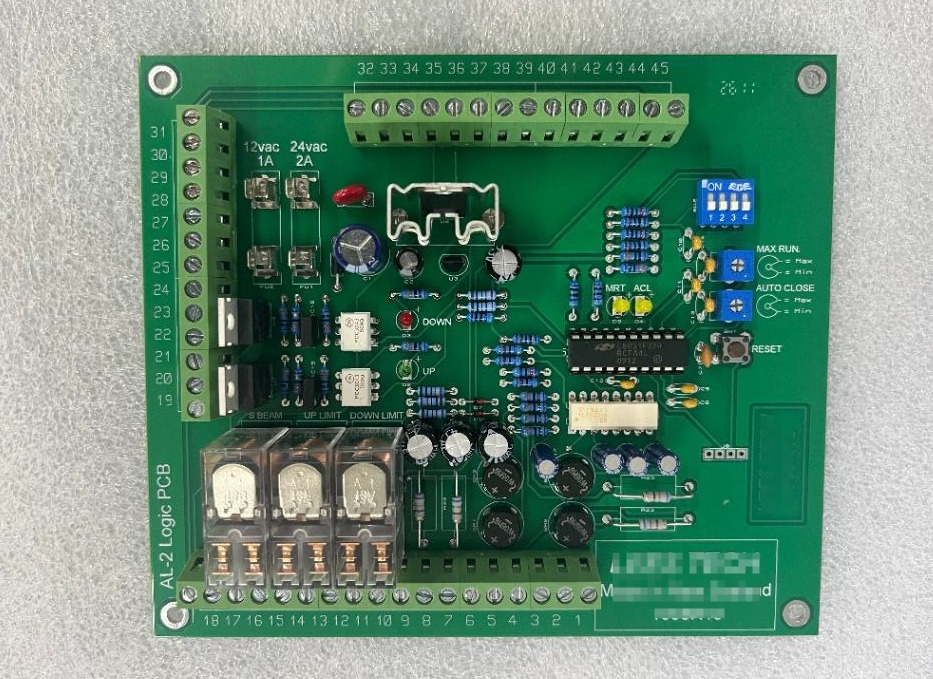
A turnkey PCB assembly model can make sense when you want one supplier to coordinate PCB fabrication, component procurement, assembly, and the agreed inspection or testing scope. Instead of managing these activities through separate suppliers, the project can be reviewed against the same BOM, production files, quantity, and delivery requirements.
This approach is particularly useful when component availability or engineering changes can affect the production schedule. With fabrication, sourcing, and assembly coordinated within the same project, BOM exceptions and production questions can be identified before they move from one supplier to another. However, buyers should still confirm what is included in the quotation, which sourcing requirements apply, and who is responsible for approving component substitutions or other changes.
Turnkey is not automatically the best option for every project. If you already have nominated component suppliers, customer-supplied parts, or established manufacturing arrangements, a partial-turnkey or consigned approach may be more appropriate. The right model depends on how much of the supply chain you want the PCB assembly manufacturer to manage.
For projects where consolidated procurement and production management are preferred, review the available turnkey PCB assembly services and confirm the required scope before requesting a quotation.
For buyers specifically comparing manufacturing partners in China, our guide to choosing a PCB manufacturer in China covers the broader supplier-selection considerations without duplicating the industrial-control criteria discussed here.
PCB Assembly Support for Industrial Control Projects
Unit Circuits supports PCB assembly for industrial control projects from prototypes and low-volume builds to repeat production. Depending on the project scope, PCB fabrication, component procurement, SMT and through-hole assembly, inspection, and customer-defined testing can be coordinated within the same order.
To evaluate a new project, send your Gerber files, BOM, placement data, required quantity, and any applicable testing or production requirements. We can review the manufacturing package and identify items that require clarification before quotation.
For repeat orders, approved production files and project requirements can be reviewed against the latest revision before the next build.
Industrial Control PCB Assembly Manufacturer FAQs
What certifications should I check when choosing a PCB assembly manufacturer?
Start with certifications relevant to the manufacturer and your application, such as ISO 9001 for quality management. Depending on the industry and end product, additional standards or compliance requirements may apply. Ask which certifications cover the actual manufacturing site and request current documentation when certification is part of your supplier qualification process.
Can I order prototype PCB assemblies before moving to production?
Yes, if the manufacturer supports prototype and low-volume assembly. A prototype build can be used to verify manufacturability, assembly requirements, and the agreed testing process before repeat production. Confirm whether later revisions to the PCB, BOM, or test requirements will require a new review.
Can I supply my own components for PCB assembly?
Many PCB assembly projects can use customer-supplied components, manufacturer-sourced components, or a combination of both. Before ordering, confirm which parts you will supply, required quantities, packaging, and how shortages or damaged components will be handled.
Should I choose a local or overseas PCB assembly manufacturer?
Location alone should not determine the decision. Compare manufacturing capability, communication, component sourcing, quality requirements, lead time, shipping, total cost, and the level of production support your project requires. An overseas supplier may fit one project while a local supplier may be more practical for another.
Should I start with a small production build when evaluating a new supplier?
For a new supplier or a new industrial control PCBA, an initial prototype or small production build can help verify assembly quality, documentation, testing requirements, and communication before larger repeat orders. The appropriate quantity depends on the project and how much validation is required before production.
What should I check when transferring an existing PCBA to a new manufacturer?
Provide the latest approved Gerber files, BOM, placement data, assembly drawings, testing requirements, and any relevant production notes. Also identify approved substitutions, customer-supplied parts, programming requirements, and known issues from previous builds so the new manufacturer does not have to reconstruct these requirements from incomplete files.
Ready to Evaluate an Industrial Control PCB Assembly Manufacturer?
Choosing a manufacturing partner becomes easier when you evaluate them against your actual PCB design, BOM, production volume, and testing requirements.
Unit Circuits supports industrial control PCB assembly from prototypes to repeat production, including PCB fabrication, component sourcing, SMT and through-hole assembly, and customer-defined inspection or functional testing.
If you are evaluating a supplier for an upcoming industrial control PCBA project, send us your Gerber files, BOM, required quantity, and testing requirements. Our team can review the manufacturing scope and provide a quote based on your project.
✅ Related PCB Assembly Manufacturer Guides
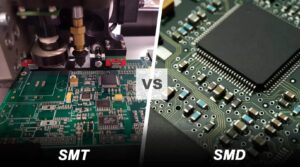
SMT vs. SMD: Key Differences in Electronics Manufacturing Explained
SMT (Surface-Mount Technology) is a process for mounting electronic components onto PCBs, while SMD (Surface-Mount
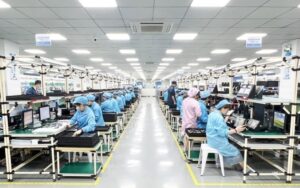
SMT Assembly Factory Audit in China: Complete EMS Checklist & Supplier Evaluation Guide (2025)
Auditing an SMT assembly factory in China? Use this step-by-step EMS supplier audit checklist to
SEND YOUR PCB FILES FOR A QUOTE
sales@unitcircuits.com
RECENT POSTS
Get Your PCBA Quote in 24 Hours
Low MOQ | Fast Turnaround | One-Stop PCBA
sales@unitcircuits.com
✅ PCB Manufacturing & Assembly
✅ Component Sourcing
✅ Prototype to Production

 Assemble 20 PCBAS for $0