
Power regulation controller PCBAs often combine control circuitry, power components, connectors, and thermally sensitive components on the same assembly. For manufacturing, this means component sourcing, assembly processes, thermal considerations, and testing requirements need to be evaluated together rather than separately.
This guide explains what to consider when sourcing PCB assembly for a power regulation controller, including BOM preparation, component sourcing, PCB specifications, assembly, inspection, testing, cost factors, and the information needed for an accurate quotation.
If your design is ready for manufacturing, send Unit Circuits your Gerber files, BOM, required quantity, and testing requirements for a project review and quotation.
Quick Leads-PCBA
What Makes Power Regulation Controller PCB Assembly Different?
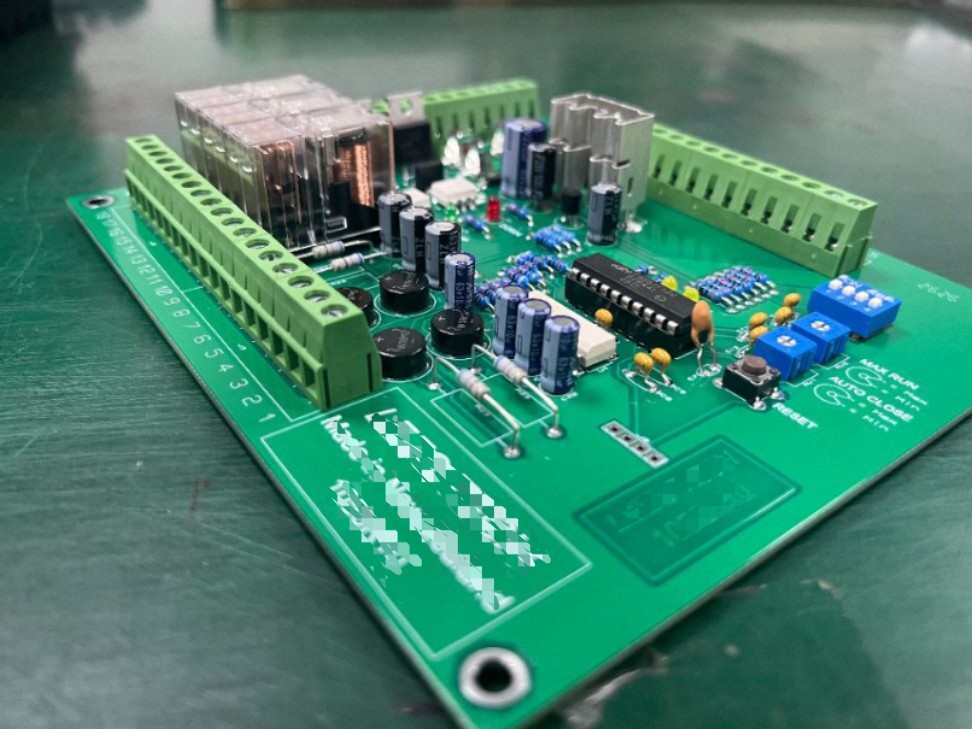
Power regulation controller boards can vary significantly from one product to another. Some designs mainly use SMT components, while others include relays, terminal blocks, connectors, larger capacitors, power devices, or other through-hole components. The manufacturing process therefore needs to be planned around the actual board design and BOM rather than treated as a standard SMT job.
Start With the BOM and Manufacturing Data
An accurate quote for a power controller PCBA depends on more than the Gerber files alone. The BOM, PCB specifications, component packages, required quantity, and assembly information help determine component sourcing, manufacturing processes, and whether the board requires SMT, through-hole assembly, or both.
If an exact BOM item is unavailable, an alternative component should not be used simply because it has similar specifications. Any proposed substitution should be confirmed with the customer before production.
SMT and Through-Hole Components May Require Different Processes
Power controller PCBAs can combine small SMT devices with connectors, relays, terminals, and other through-hole components. The assembly process therefore needs to account for different component types and soldering requirements rather than treating the board as an SMT-only build.
This becomes especially relevant in prototype and low-volume production, where component configurations and assembly requirements may change between revisions.
Assembly Quality Matters Around Power Components
Thermal performance, current capacity, and power distribution are primarily determined by the circuit and PCB design. However, the finished assembly still depends on correct component placement and consistent soldering.
Components associated with power handling, larger terminals, connectors, and through-hole joints can be more sensitive to soldering quality and assembly consistency. Insufficient solder joints, incorrect component orientation, or assembly errors can affect the reliability of the finished board.
Testing Should Follow the Product Requirements
There is no single functional test that applies to every power regulation controller PCBA. The appropriate test depends on the circuit, application, and customer’s acceptance requirements.
Where functional testing is required, customers can provide the test procedure, specifications, fixture requirements, and acceptance criteria for review. The applicable testing scope can then be confirmed before production.
What Should You Check When Choosing a PCB Assembler for a Power Regulation Controller?
Before selecting a PCB assembler for a power regulation controller, check whether the supplier can work with your actual BOM, component mix, production quantity, and testing requirements.
Can the Supplier Source the Exact BOM?
Ask the supplier to check availability against the manufacturer part numbers in your BOM, especially for obsolete, long-lead-time, or difficult-to-source components.
If an exact part is unavailable, confirm how alternatives are proposed and approved before purchasing. This is particularly important when a substitution could affect electrical performance, mechanical fit, certification, or previous product validation.
Can They Handle the Complete Component Mix?
If your BOM includes both SMT and through-hole components, confirm that the supplier can complete the required assembly processes within the same project. Also identify any components that require special handling or assembly instructions before quotation.
What Happens When You Only Need 5, 20, or 100 Boards?
Prototype and early production orders have different priorities from mature high-volume production. Tooling, component purchasing quantities, setup costs, and testing can have a larger effect on the unit cost of a small batch.
If your project is still being validated, ask whether the supplier accepts low-volume orders and whether the same project can continue into repeat production after the design is approved.
How Will Your Board Be Inspected and Tested?
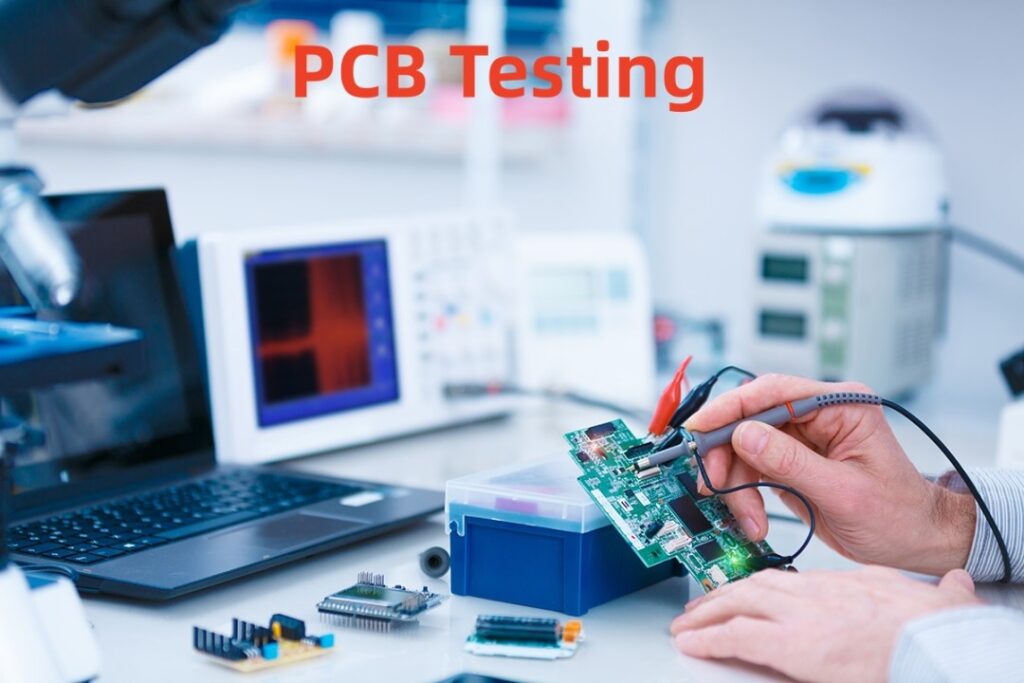
“PCB testing” can mean different things between suppliers, so clarify the scope before ordering. Ask which inspections are included in the assembly process and which product-specific tests, if any, will be performed.
Assembly inspection checks manufacturing workmanship, while product-level functional testing verifies functions defined by the specific product design. If functional testing is required, agree on the test scope and acceptance criteria before production.
What Information Should Be Confirmed Before Production?
Before approving a power controller PCBA order, both sides should have a clear understanding of:
the approved BOM and permitted substitutions;
PCB fabrication specifications;
assembly files and component orientation requirements;
production quantity;
special soldering or assembly requirements;
functional test requirements and acceptance criteria;
packaging and delivery requirements.

What Files Do You Need for a Power Controller PCBA Quote?
A complete PCBA quote requires more than Gerber files. For a power regulation controller project, the assembler typically needs enough information to quote PCB fabrication, component sourcing, assembly, and any project-specific testing within the required scope.
Gerber Files
Provide the complete Gerber package and PCB fabrication specifications. The Gerber data covers the bare board, but additional files are still required to quote component sourcing and assembly.
Bill of Materials (BOM)
The BOM should include reference designators, quantities, manufacturer names, manufacturer part numbers, and package information where applicable.
Manufacturer part numbers are especially important when component sourcing is included. A generic description such as “10 µF capacitor” may not identify the exact component required for an accurate quotation.
Pick-and-Place File
For SMT assembly, provide the component coordinate/pick-and-place file with reference designators, positions, and rotation data.
Assembly Drawing
Provide an assembly drawing where component orientation, polarity, connector positions, through-hole parts, or other assembly details require clarification.
Required Quantity
Specify the quantity to be quoted, whether it is a prototype batch or a repeat production order. If you are evaluating the cost of moving from prototype to production, request quotations at several quantity levels.
Functional Testing Requirements
If functional testing is required, include the available test procedure, acceptance criteria, fixture information, and required test setup. The testing scope should be reviewed and confirmed before production.
Special Manufacturing Requirements
Identify any project-specific requirements that could affect PCB fabrication, assembly, inspection, testing, or packaging. These should be reviewed during quotation so the manufacturing scope can be confirmed before the order is placed.
What Drives the Cost of Power Regulation Controller PCB Assembly?
There is no fixed price per board for a custom power regulation controller PCBA. The cost depends on the PCB specification, BOM, component availability, assembly complexity, order quantity, and testing requirements.
When comparing quotations, check whether suppliers are quoting the same manufacturing scope rather than comparing unit prices alone.
PCB Specifications
PCB cost can change with layer count, dimensions, material, copper requirements, surface finish, and other fabrication specifications.
For power regulation boards, requirements related to current carrying capacity or thermal performance should come from the approved PCB design. The assembler should quote against those requirements rather than changing them simply to reduce cost.
BOM and Component Availability
Components can represent a significant share of the total PCBA cost. Pricing varies with manufacturer part numbers, purchasing quantities, availability, lead times, and obsolete or difficult-to-source parts.
When comparing quotes, check whether suppliers are pricing the same approved BOM rather than different component alternatives.
Order Quantity and Setup Costs
A five-board prototype and a 500-board production order should not be expected to have the same unit cost.
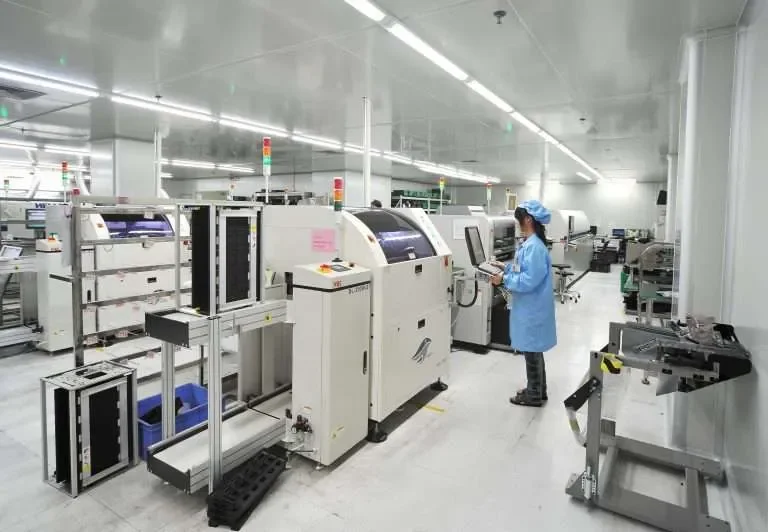
Stencil preparation, machine setup, material handling, and production preparation are required even for a small batch. When these costs are spread across only a few boards, the unit price is naturally higher.
If the project is expected to move into production, requesting quotations at several quantities can show how the unit cost changes with volume.
SMT and Through-Hole Assembly
Assembly cost also depends on the component mix and required processes. A board using primarily SMT components may have a different assembly cost from one that also requires through-hole connectors, relays, terminals, or other additional assembly steps.
Functional Testing
Product-specific testing can affect quotation cost depending on the test procedure, test time, fixture requirements, equipment, and setup involved.
For this reason, functional testing should be defined as part of the quotation scope rather than assumed to be included in a standard assembly price.
How to Compare Two PCBA Quotations
If one quotation is significantly cheaper than another, check whether both quotations include the same:
PCB specifications and quantity;
manufacturer part numbers in the BOM;
component sourcing scope;
SMT and through-hole assembly;
inspection and testing requirements;
tooling or setup charges;
packaging and shipping terms.
If these items are different, the two unit prices are not directly comparable.
Where Are Power Regulation Controller PCBAs Used?
Power regulation controller PCBAs are used in equipment that needs to manage power alongside control, sensing, communication, or actuation functions. Common applications include industrial controllers, motor and actuator systems, monitoring equipment, and automation machinery.
Industrial Control Equipment
Industrial controllers may need regulated power for processors, communication circuits, sensors, relays, interfaces, and other control functions. In these systems, the power section is part of a larger control architecture rather than a standalone power supply.
For projects involving controller, monitoring, signal interface, or automation electronics, the manufacturing requirements can form part of a broader industrial control PCB assembly project.
Motor and Actuator Control
Motor and actuator systems can combine control electronics with components responsible for driving or regulating electrical loads. Depending on the design, the PCBA may include control ICs, power devices, connectors, protection components, and interfaces to motors, actuators, or external controllers.
Monitoring and Sensor Systems
Monitoring equipment can combine sensor inputs, signal-processing or control circuitry, communication interfaces, and regulated power on the same board or across several interconnected PCBAs.
Automation Equipment
Power regulation controller PCBAs can also be used in automated machinery and electronic control equipment where power, control, communication, and I/O functions operate together.
From Gerber and BOM to Finished Power Controller PCBA
For customers looking for turnkey PCB assembly for a power regulation controller, Unit Circuits can coordinate PCB fabrication, component sourcing, assembly, and the agreed inspection or testing scope within one project.
1. Send Your Project Files
Send your available manufacturing files and required quantity. We review the RFQ package to identify whether additional PCB, BOM, assembly, or testing information is needed before quotation.
2. Review and Quotation
The submitted files are reviewed against the requested manufacturing scope, including PCB specifications, BOM availability, assembly requirements, quantity, and any requested testing.
Questions affecting price or production should be clarified before the quotation and order are finalized.
3. PCB Fabrication and Component Sourcing
After the manufacturing scope is confirmed, PCB fabrication and component procurement can proceed against the approved project data and BOM.
4. PCB Assembly
Assembly is arranged according to the board design, component mix, quantity, and confirmed manufacturing requirements. Any project-specific assembly instructions should be agreed before production.
5. Inspection and Agreed Testing
The assembled PCBAs go through the inspection steps defined for the manufacturing process. Where project-specific functional testing has been agreed, it is performed according to the confirmed testing scope.
6. Packaging and Shipment
After the agreed manufacturing, inspection, and testing steps are completed, the finished PCBAs are packaged and prepared for shipment according to the order requirements.
Unit Circuits supports turnkey PCB assembly for power regulation controllers, including PCB fabrication, component sourcing, SMT and through-hole assembly, inspection, and customer-defined testing from prototype to repeat production.
Power Regulation Controller PCB Assembly FAQs
Can I order only a few power controller PCBAs for prototyping?
Yes. Unit Circuits supports prototype and low-volume power controller PCBA orders. Send your required quantity with the Gerber files and BOM so the quotation can be based on the actual build quantity.
Can you source the components as well as manufacture and assemble the PCB?
Yes. Unit Circuits can coordinate component sourcing, PCB fabrication, and PCB assembly within the same project. Components are sourced against the approved BOM, and any proposed substitutions should be confirmed before use.
Can you assemble boards with both SMT and through-hole components?
Yes. Power controller PCBAs can include both SMT and through-hole assembly when required by the board design. Send the complete BOM and assembly data so the required manufacturing process can be reviewed during quotation.
Can you perform functional testing on my power controller PCBA?
Yes, where the required functional testing is within the agreed project scope. Send the test procedure, acceptance criteria, fixture information, and required test setup with your RFQ so the testing requirements can be reviewed before production.
Request a Quote for Your
Power Controller PCBA
If your power regulation controller design is ready for manufacturing, send us your Gerber files, BOM, required quantity, and any applicable testing requirements.
We can review the manufacturing scope and provide a quotation covering the services required for your project.
sales@unitcircuits.com
✅Low MOQ – Prototype to Production ✅PCB Manufacturing + Component Sourcing + Assembly ✅Inspection + Project-Specific Testing
Related PCB Assembly Resources:
- SMT Factory Audit Checklist – Learn how to evaluate PCB assembly suppliers and verify quality control processes before cooperation.
- SMT vs. SMD: Key Differences – Understand SMT technologies and assembly methods for PCB production.
- PCB Assembly Services – Explore our SMT and turnkey manufacturing capabilities.
Request for Quote
sales@unitcircuits.com
✅ Related PCB Assembly Sourcing Guides
🔹 PCB Holes Benefits for IoT: Essential for Reliable Design
ptimized PCB hole design improves electrical connections, thermal management, and mechanical stability—crucial for high-volume IoT
What Are the Key Components of a Circuit Board for IoT Devices?
Explore the key components of PCB assemblies for IoT devices like Shelly’s smart thermostatic radiator
RECENT POSTS
Get Your PCBA Quote in 24 Hours
Low MOQ | Fast Turnaround | One-Stop PCBA
sales@unitcircuits.com
✅ PCB Manufacturing & Assembly
✅ Component Sourcing
✅ Prototype to Production

 Assemble 20 PCBAS for $0