
Quick Saying:
-
THT offers superior mechanical stability, ideal for high-stress environments.
-
Preferred for prototyping due to its ease of hand-soldering and testing.
-
Widely used in aerospace and industrial machinery for reliable performance.
-
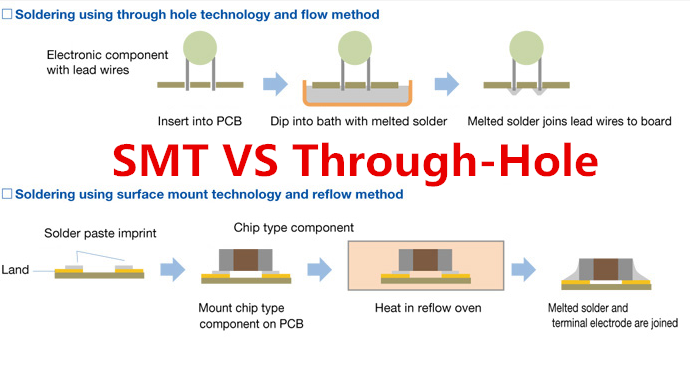
THT vs. SMT: Understand the key differences and how to inspect THT components effectively.
Quick Leads
What Is Through-Hole Technology (THT)?
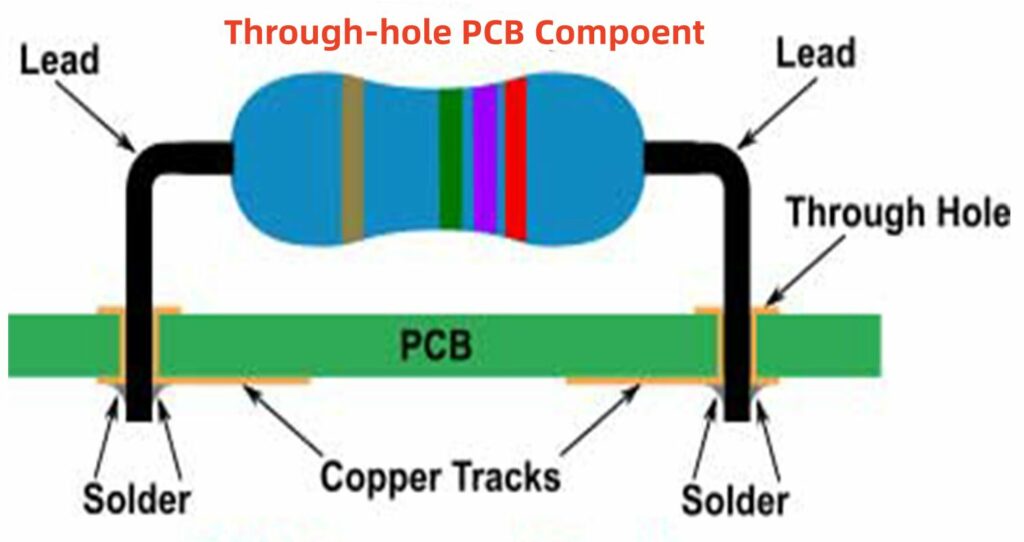
How Does Through-Hole Technology Work?
- Drilling Holes: Precisely drilled holes are made in the PCB to fit the leads of different components.
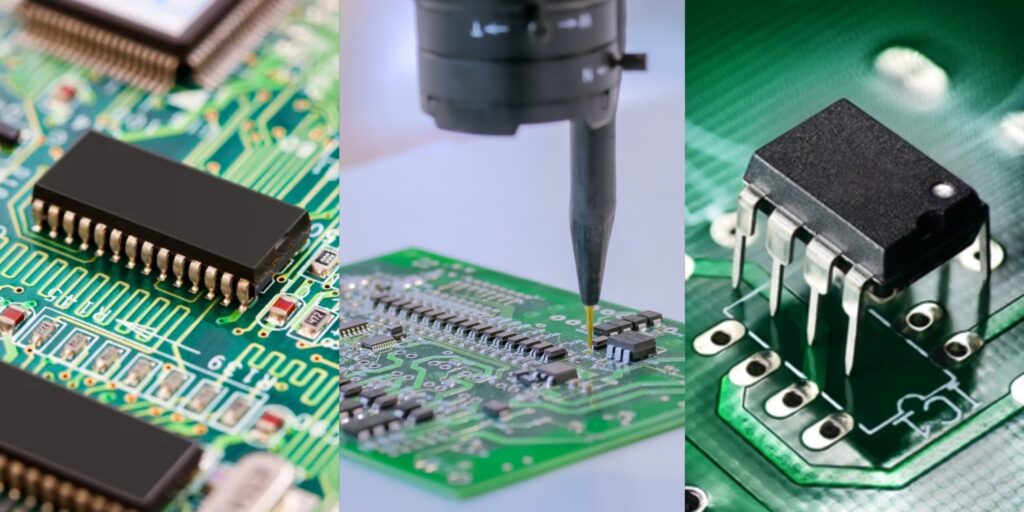
- Component Placement: You insert components through these holes, either by hand or with automated THT machines.
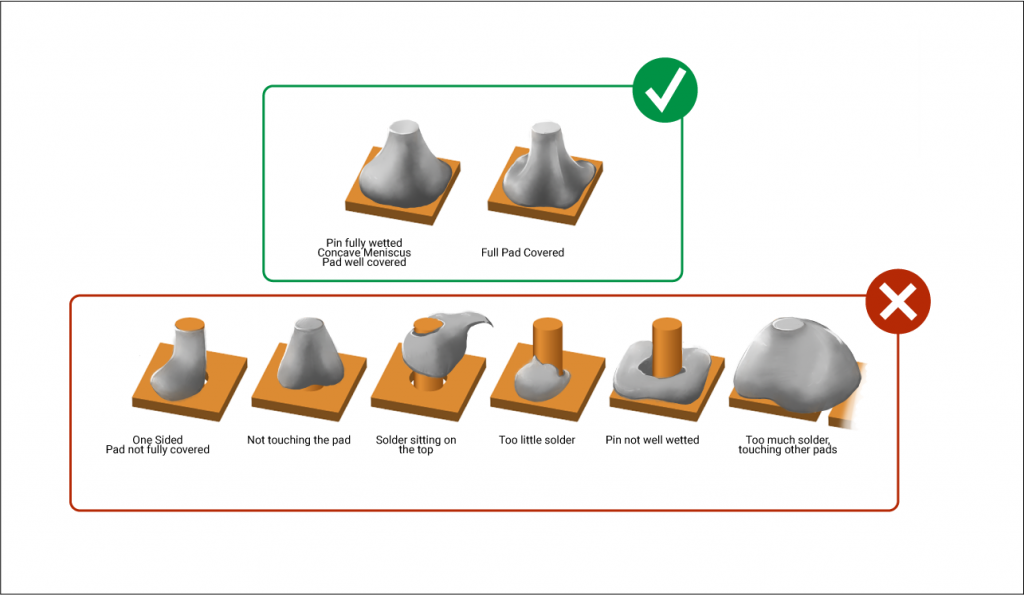
- Soldering: You solder the leads onto the pads on the other side of the PCB. You can do this with wave soldering or by hand.
Why Is Through-Hole Technology Still Relevant?
What Are the Main Advantages of THT Over SMT?
For projects that require strong mechanical connections, high durability, or components that must withstand vibration and physical stress, our Through-Hole PCB Assembly Services provide component insertion, soldering, inspection, and testing for prototype and production builds.
Mechanical Strength (Advantage)
- THT components are secured to the PCB, so they’re less likely to come loose when they’re under physical pressure or in high-temperature conditions. That’s why THT is the best choice for high-reliability applications.
Prototyping Ease (Advantage)
- For engineers who are designing and testing new circuits, THT makes it really easy to make adjustments. You can take components out, put new ones in, or re-solder them when you’re prototyping. That’s why THT is great for small production runs.
Space Requirements (Disadvantage)
- THT usually needs more space because you have to drill holes and the components are bigger. That’s why THT doesn’t work well for small devices like smartphones or wearables.
Best Applications for THT
Through-Hole Technology is especially valuable in the following fields:
- Aerospace and Defense: THT is mechanically reliable, so the components work even when they’re under a lot of stress or in really hot or cold temperatures.
- Industrial Machinery: For machines that vibrate a lot, THT is more durable than SMT.
- Prototyping and Testing: Engineers often use THT when they’re designing and testing because it’s easy to change components without hurting the PCB.
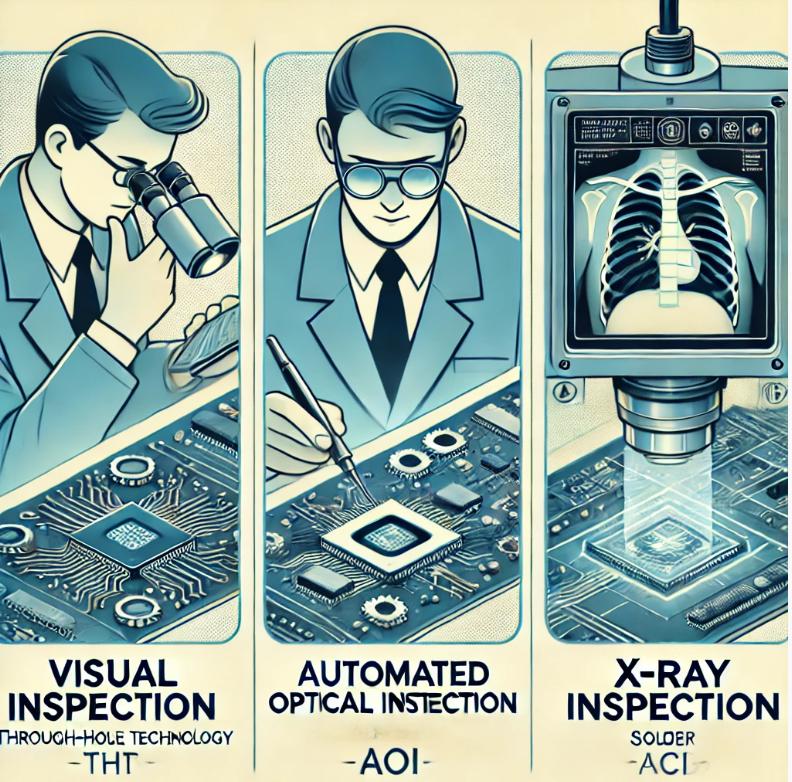
How Do You Inspect THT Solder Joints?
- Visual Inspection: You can look at the assembly and check for common problems like solder joints that aren’t complete, leads that aren’t lined up right, or cracks. This is usually the first way you find defects.
- Automated Optical Inspection (AOI): AOI systems use cameras to find problems like solder joints that aren’t good or components that aren’t lined up right. They’re really accurate and make inspection go faster.
- X-ray Inspection: This fancy way of doing it shows you problems inside the assembly, like solder joints that have holes in them or connections that aren’t good but you can’t see from the outside.
- Functional Testing: After you solder the THT components, you have to test them to make sure they work right in the circuit. You check to see if the electricity flows right and if they do what they’re supposed to do.
Future Trends in Through-Hole Technology
- Hybrid Assemblies: A lot of manufacturers use both THT and SMT on the same PCB. They do this because SMT is small and THT is tough.
- Automated THT Systems: Automating THT has made it faster and cheaper and better quality.
- Focus on High-Reliability Applications: Because safety is so important in industries like aerospace and medical devices, THT is still really important. It’s the best way to make sure the connections are good.
Need a Reliable PCB Assembly Partner?
Limited Time Offer:
Get $100 off your order TODAY!
sales@unitcircuits.com
Summary and Conclusion
Request for Quote
RELATED POSTS

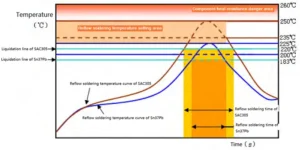
How Lead-Free Solder Affects PCB Manufacturing: Melting Point, Quality, and Cost Explained
Discover how lead-free solder impacts PCB manufacturing—melting points, quality, and cost—plus how our RoHS-compliant, no-MOQ
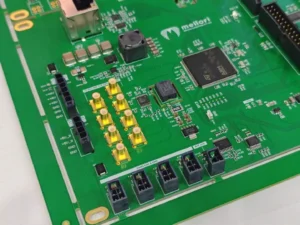
Lead vs. Lead-Free Solder in PCB Assembly: How to Choose for Cost, Compliance & Performance [2025 Guide]
Compare lead vs. lead-free solder for PCB assembly in 2025. Learn how to choose the
RECENT POSTS
Get Your PCBA Quote in 24 Hours
Low MOQ | Fast Turnaround | One-Stop PCBA
sales@unitcircuits.com
✅ PCB Manufacturing & Assembly
✅ Component Sourcing
✅ Prototype to Production