Quick Leads
💡 Full-service PCB Assembly?
We offer turnkey solutions from PCB manufacturing to testing.
What Are PCB Component Codes?
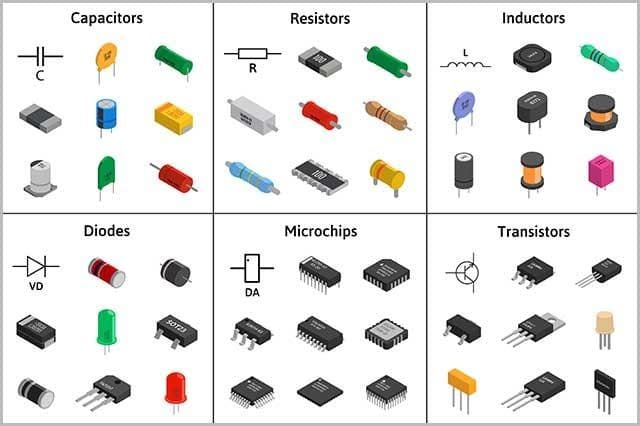
PCB components are the individual parts that make up a printed circuit board. From resistors and capacitors to transistors and ICs, these electronic circuit board components are essential for powering devices. Below is a PCB components list that outlines the most common parts:
- Resistors: Control current flow.
- Capacitors: Store and release electrical charge.
- ICs (Integrated Circuits): Perform processing tasks.
By understanding what PCB components are, you can better design and troubleshoot your circuit boards.
Common PCB Component Codes
A PCB parts list is essential for identifying and assembling components. This list typically includes component names, PCB component codes, and their functions.
Component | Code | Function |
Resistor | R | Limits current flow |
Capacitor | C | Stores and releases electrical energy |
Inductor | L | Opposes changes in current flow |
Integrated Circuit | U | Performs complex functions like data processing |
Diode | D | Allows current flow in one direction |
Transformer | T | Transfers electrical energy between circuits |
Test Point | TP | Used for testing signals and diagnosing issues |
How Do Professionals Identify Parts on a PCB?
1. Printed Labels
-
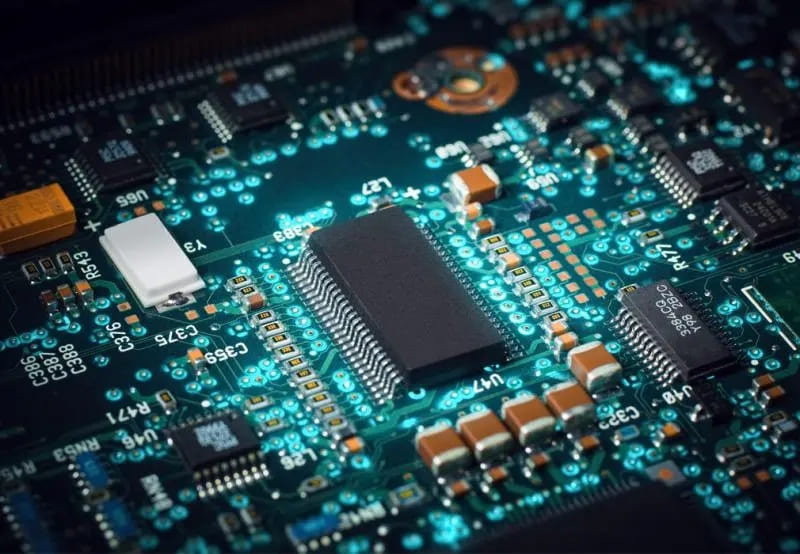
Most circuit boards have little letters next to the parts that tell you what kind of part it is. For example, “R” for resistors, “C” for capacitors, and “L” for inductors.
2. Symbols
-
Sometimes, instead of using letters, circuit symbols are used to show what kind of part it is. For example, diodes are often marked with a small arrow to show which way the current goes.
3. Color Codes
-
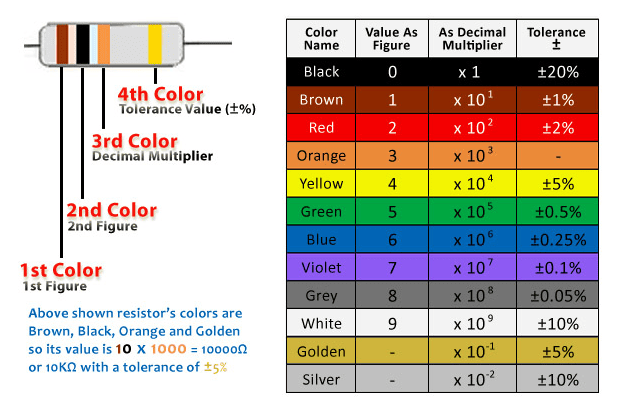
Resistors have little colored bands on them that tell you what their resistance is. This system is used all over the world, and everybody uses the same colors, so you can tell what the resistance is just by looking at the colors.
Understanding the Function of Key PCB Components
Understanding the functions of common PCB components is key to creating effective circuit designs. Below is an overview of circuit board components and what they do:
- Basic Components of a Circuit Board: These include resistors, capacitors, and diodes.
- Embedded PCB Components: Found inside multilayer PCBs for advanced functionality.
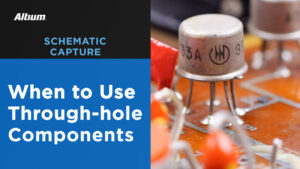
- Through-Hole Components: Provide durability and are ideal for mechanical stress.
Each of these PCB components and their functions plays a critical role in ensuring proper circuit operation.
1. Passive Components
- Resistors (R): Resistors limit the flow of current. They ensure that parts that can’t handle a lot of current don’t get too much.
- Capacitors (C): Capacitors store and release electricity. They’re used to stabilize voltage changes and filter noise.
- Inductors (L): Inductors oppose current changes, store energy, and filter noise from power supplies.
2. Active Components
- Diodes (D): Diodes only allow current to flow in one direction, protecting components from damage caused by reverse current.
- Transistors (Q): Transistors amplify electrical signals or act as switches in circuits.
- Integrated Circuits (U): ICs are complex components containing multiple functions like data processing, signal amplification, or logic control.
How to Solder Components to a PCB
Soldering is a vital step in PCB components assembly. Here’s how to solder components to a PCB:
- Prepare the PCB and Components: Gather the circuit board and all PCB components.
- Identify PCB Component Codes: Use the PCB parts list for quick identification.
- Solder Components: Begin with small components like resistors and capacitors.
By following this guide, you can achieve precise PCB manufacturing with components, ensuring high-quality results.
Common PCB Standards and Coding Systems
1. IPC-7351: Land Pattern Design
-
It ensures that components are placed correctly for proper soldering and performance.
2. IEC 61360: Component Identification
-
Following this ensures that all manufacturers and designers “speak the same language” when referencing parts.
Troubleshooting PCB Components: What the Codes Tell Us
1. Identifying Faulty Components
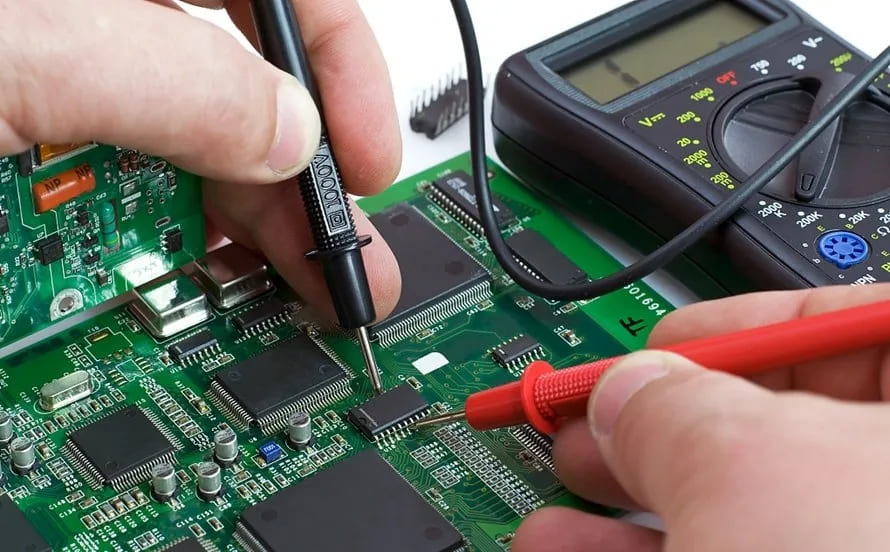
- Reference designators (e.g., R3, C5) allow professionals to pinpoint problematic parts quickly.
2. Verifying Design Integrity
- During design or assembly, codes help engineers confirm each component is in the right place.
3. Optimizing Repairs
- By using standardized codes, replacement parts can be ordered and installed efficiently.
Case Study: A faulty diode (D3) was identified in a motor controller PCB. Using its component code, the technician quickly replaced it, restoring functionality in under an hour.
🔷 2026 PCB Component Identification Trends
The way engineers identify PCB components is becoming more important as electronic designs become smaller and more complex.
Modern PCB projects increasingly require accurate component identification due to:
- Higher component density
- More advanced SMT packages
- Faster product development cycles
- Increasing demand for reliable PCB assembly
Key trends include:
- More SMD components replacing traditional through-hole parts
- Smaller packages requiring accurate component codes
- More automated component verification using AOI and smart inspection systems
- Higher demand for traceable components in automotive and industrial electronics
For PCB manufacturers and assembly partners, accurate component identification helps reduce sourcing errors, improve assembly quality, and increase production reliability.
Frequently Asked Questions
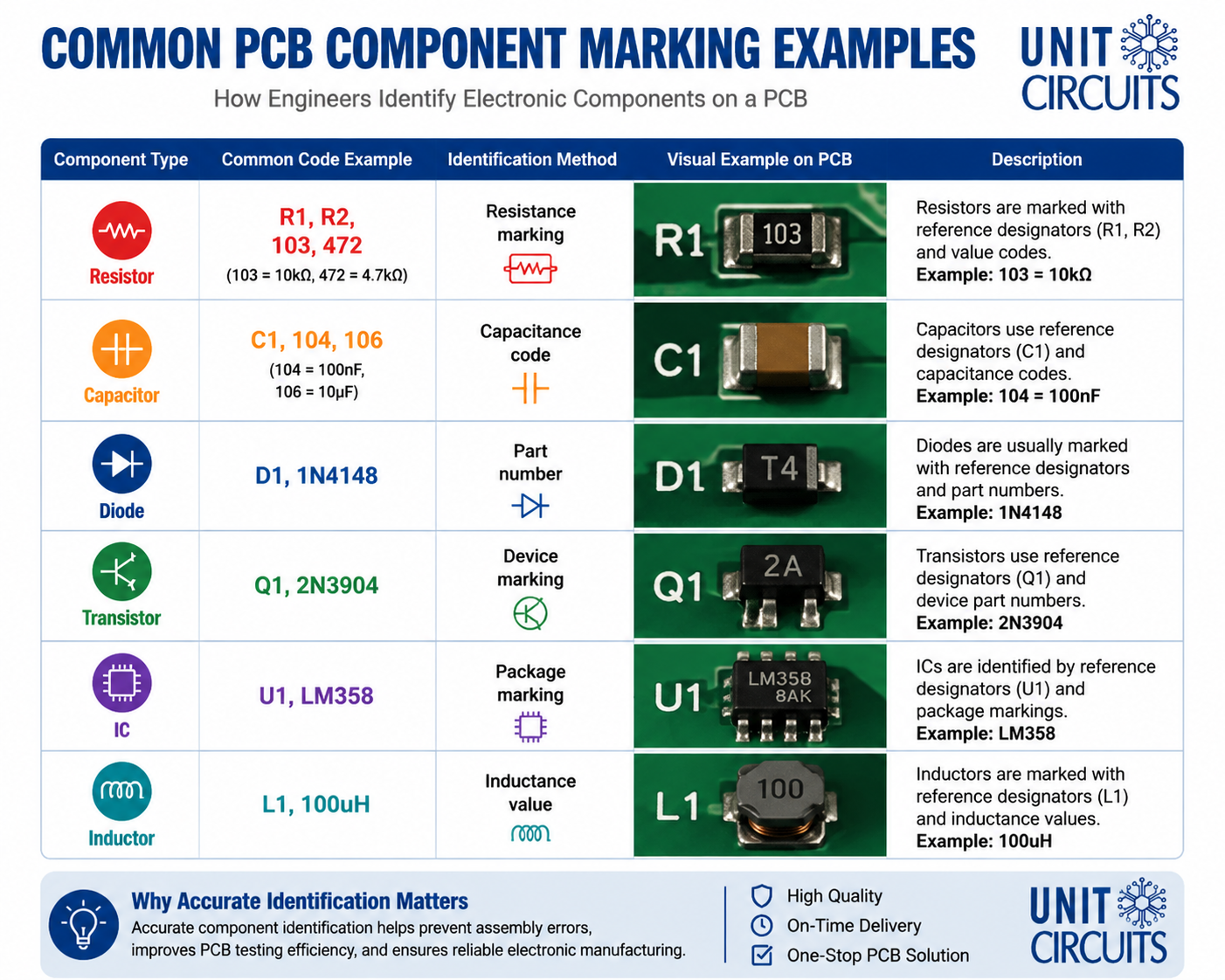
PCB component codes are markings used to identify electronic components on a circuit board. They help engineers understand component types, locations, and values during PCB design, assembly, and troubleshooting.
PCB components can be identified through:
- Reference designators (R, C, D, U, Q)
- Component markings
- Datasheets
- PCB design files (Gerber/BOM)
- Visual inspection
These are standard PCB reference designators:
- R = Resistor
- C = Capacitor
- D = Diode
- Q = Transistor
- U = Integrated Circuit (IC)
The number indicates the component position on the PCB.
Professional PCB assembly manufacturers verify components through:
- BOM checking
- Supplier verification
- Part number matching
- AOI inspection
- X-ray inspection for hidden solder joints
Correct identification helps prevent:
- Wrong component placement
- Assembly defects
- Production delays
- Product reliability issues
Yes. Turnkey PCB assembly providers can handle component sourcing, BOM management, PCB fabrication, assembly, and testing in one process.
Limited Time Offer:
Get $100 off your order TODAY!
Summary
Next Steps
🔧 Want to avoid these manufacturing issues with a trusted partner?
👉 See how our Turnkey PCB Assembly can help »
Request for Quote
RECENT POSTS

Who Are the Top 10 Router PCBA Manufacturers for OEM Projects (Fast Turnkey & Low MOQ)?
Find a reliable router PCBA manufacturer for OEM projects with turnkey assembly, RF expertise, and

Who Are the Top 10 Gas Detection Equipment Manufacturers & EMS Suppliers in 2026?
Explore top gas detection equipment manufacturers and discover how advanced PCB assembly services improve reliability,
RELATED POSTS
Leading PCBA Manufacturer
✅ Assemble 20 PCBAS for $0 ✅ Get $100 OFF – Risk-Free Trial!
✅ 100+ Satisfied Customers
✅ Ensured Quality & On-Time Delivery
✅ Free Trial, No Commitments!