Introduction
Quick Leads
Quick Overview: SMT vs. THT Comparison Table
Feature | Surface Mount Technology (SMT) | Through-Hole Technology (THT) |
Assembly Process | Automated, high-speed | Manual or semi-automated |
Cost Efficiency | Cost-effective for high-volume production | Higher cost due to manual labor |
Mechanical Strength | Less durable under stress | Ideal for high-stress environments |
Applications | Consumer electronics, IoT devices | Aerospace, industrial equipment |
Repairability | Complex, requires special tools | Easier to access and repair |
Thermal Performance | Requires advanced heat management | Superior heat dissipation |
Key Differences Between SMT and THT
1. Assembly Process
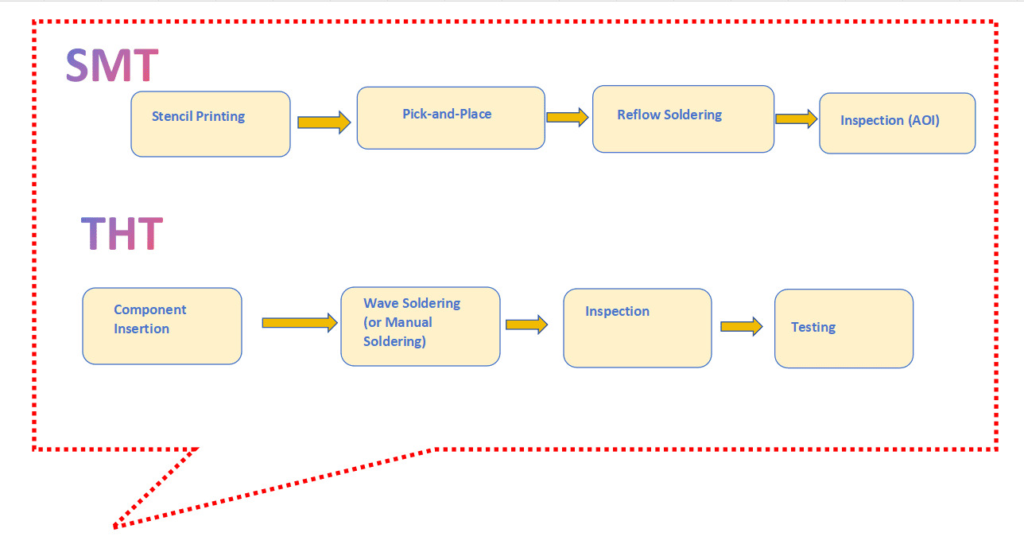
- SMT: Components are mounted directly onto the PCB surface using automated pick-and-place machines, ideal for high-speed, high-volume production.
- THT: Components are inserted through pre-drilled holes in the PCB and soldered, offering better mechanical strength.
2. Component Size and Density
- SMT: Enables smaller components and double-sided PCB designs, perfect for compact, lightweight devices like IoT gadgets.
- THT: Uses larger components, suitable for low-density layouts or high-power applications.
3. Mechanical Strength
- THT excels in environments with vibration or mechanical stress, such as aerospace and automotive industries.
- SMT connections, while efficient, are less durable under stress.
4. Cost Efficiency
- SMT: Cost-effective for mass production due to its automated process.
- THT: Higher labor costs make it more suitable for low-volume or specialized projects.
5. Thermal Performance
- THT: Superior heat dissipation through the PCB, ideal for high-power devices.
- SMT: Requires advanced techniques like heat sinks or thermal vias to manage heat.
Real-World Applications of SMT and THT
SMT Applications
- Consumer Electronics: Smartphones, tablets, and wearables benefit from SMT’s compact design capabilities.
- IoT Devices: High-speed, space-efficient designs make SMT a top choice for smart home devices.
- Automotive Electronics: Used in lightweight systems like ADAS and infotainment.
THT Applications
- Aerospace & Defense: Reliable under extreme conditions, ideal for mission-critical systems.
- Industrial Equipment: Handles vibration and stress in heavy machinery and robotics.
- Medical Devices: Preferred for high-reliability applications, like diagnostic equipment.
How SMT and THT Components Are Mounted
SMT: Surface Mounting
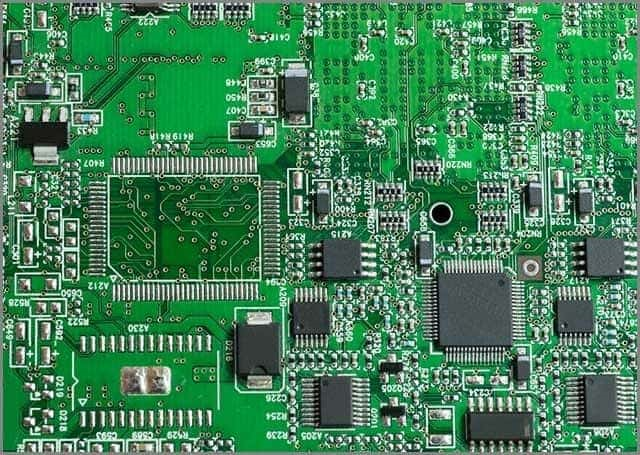
- Components are soldered directly onto the PCB surface using automated processes like pick-and-place machines and reflow soldering.
- Ideal for: Mass production of small, lightweight devices like smartphones, laptops, and wearables.
THT: Through-Hole Mounting
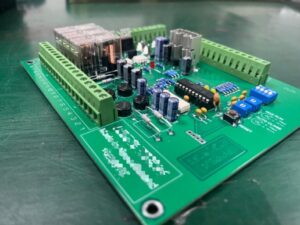
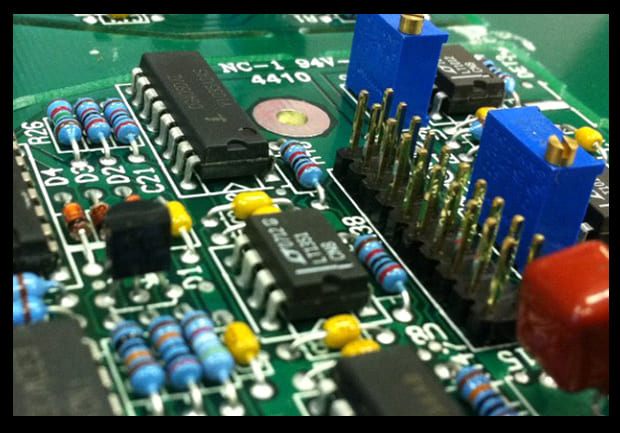
- Components are inserted into pre-drilled holes in the PCB and soldered from the other side.
- Ideal for: Applications requiring mechanical strength, such as industrial machinery and aerospace equipment.
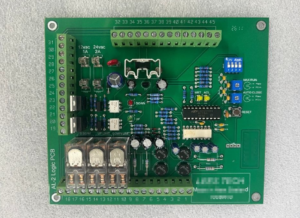
In through-hole PCB assembly, component leads are inserted into pre-drilled holes in the PCB and soldered on the opposite side, creating strong mechanical connections.
Repairability: Easier Access with THT
- THT: Easier to repair and prototype because components are accessible. Ideal for testing and customization.
- SMT: Requires specialized tools for repair, making it harder and more expensive.
Thermal Performance: Managing Heat in PCB Design
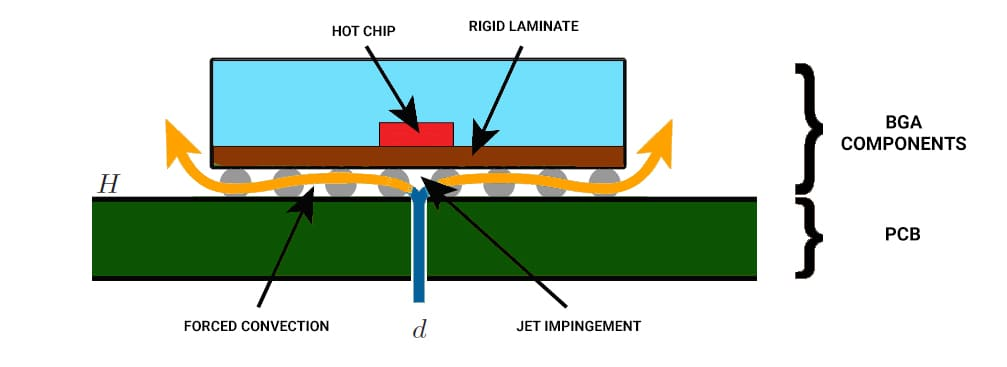
- THT: Better at dissipating heat due to leads that extend through the PCB. Suitable for high-power applications.
- SMT: Requires additional thermal management techniques like heat sinks or thermal vias to avoid heat buildup.
Frequently Asked Questions
SMT mounts components on the PCB surface, enabling compact, high-density designs, while THT involves drilling holes for stronger, more durable connections.
- SMT: Best for high-volume production with cost and space efficiency.
- THT: Suitable for prototypes and high-stress environments like aerospace.
Yes! Many designs use SMT for compact components and THT for high-stress parts to achieve optimal performance and reliability.
- Faster production.
- Lower costs for large volumes.
- Supports double-sided, high-density PCB designs.
Need a Reliable PCB Assembly Partner?
Limited Time Offer:
Get $100 off your order TODAY!
sales@unitcircuits.com
Build Your Perfect PCB with Unit Circuits
- No MOQ.
- Fast quotes and delivery.
- Comprehensive quality testing.
Request for Quote
RECENT POSTS

PCB Silkscreen vs Solder Mask: Key Differences, Functions & Design Tips
PCB silkscreen and solder mask play distinct but equally important roles in PCB design and

Top 10 PCB Assembly Manufacturers with Box Build & Turnkey Services (2026 Guide for OEMs)
Compare top PCB assembly manufacturers offering turnkey PCB assembly and box build services. Learn how
RELATED POSTS
Get Your PCBA Quote in 24 Hours
Low MOQ | Fast Turnaround | One-Stop PCBA
sales@unitcircuits.com
✅ PCB Manufacturing & Assembly
✅ Component Sourcing
✅ Prototype to Production