86-0755-23577855

sales@unitcircuits.com

Mon-Sat 24 hours

What Are PCB Silkscreen Printing Methods and Which One Should You Choose?

Date:

2026-04-29

Author:

Della Tan

Theme:

PCB Manufacturing

Quick Leads-PCBA

💡Access free PCB engineering resources including SMT assembly checklists, SMD component size charts, and PCB BOM templates to support your electronics design and manufacturing.

💡Looking for a reliable PCB assembly manufacturer? Turnkey solutions from PCB Manufacturing, Components Sourcing, PCB Assembly to Function Testing.
Many PCB designs fail not because of circuitry, but due to unclear or poorly printed silkscreen. This leads to assembly errors, failed inspections, and costly delays. Choosing the right PCB silkscreen printing method ensures your board is readable, manufacturable, and production-ready.


PCB silkscreen printing methods include manual screen printing, liquid photo imaging (LPI), and direct legend printing (inkjet/DLP). Screen printing is cost-effective for high-volume production but offers lower resolution. LPI provides improved precision using photo-imaging techniques. Inkjet (DLP) delivers the highest resolution and flexibility, making it ideal for complex, high-density PCB designs and rapid prototyping. The best method depends on your design complexity, production volume, and cost requirements.


Let’s break down how each PCB legend printing method works—and how to choose the right one for your application.

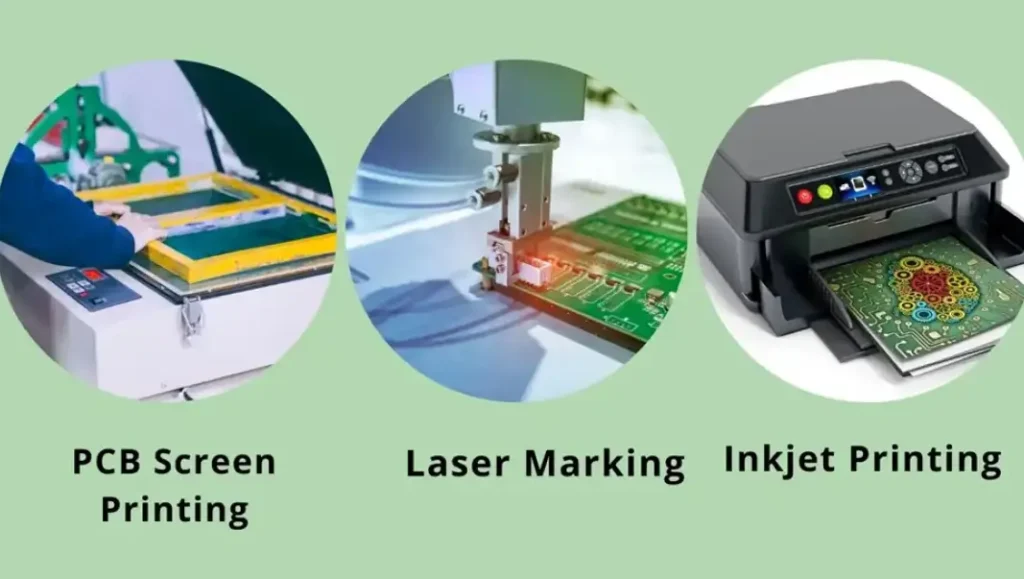
PCB silkscreen printing methods including screen printing LPI and inkjet legend printing
PCB silkscreen printing methods diagram screen printing LPI inkjet

What Are the Different PCB Silkscreen Printing Methods?

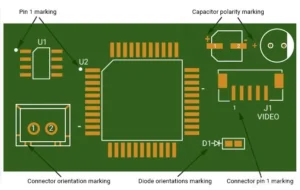
PCB silkscreen (also called legend printing) is used to mark component labels, logos, and assembly indicators. If you’re new to this layer, check out 👉What Is Silkscreen on a PCB? [Beginner to Engineer Level Guide]

The three main PCB silkscreen printing methods used in manufacturing are:

  • Manual Screen Printing
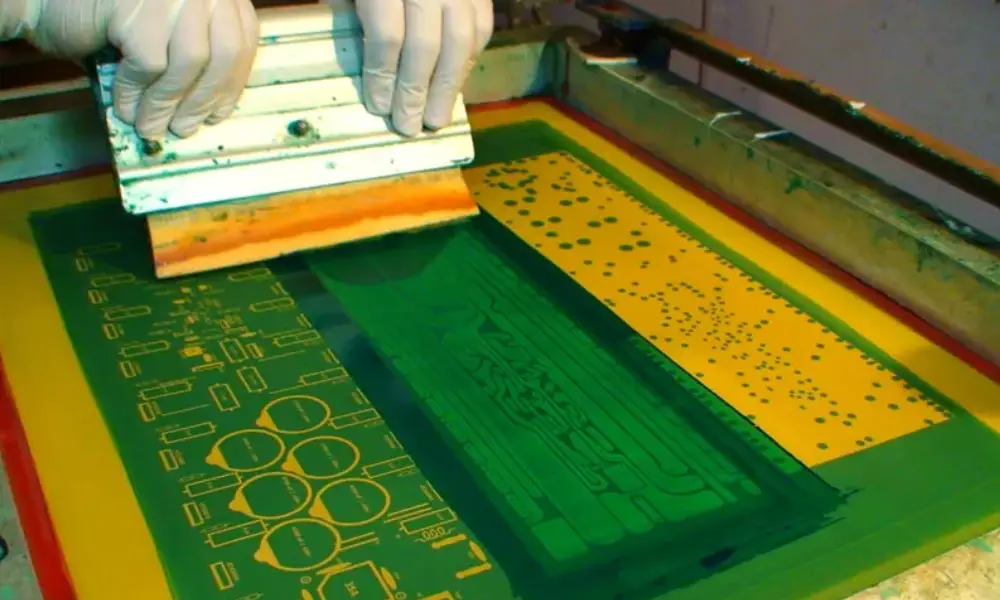
    A traditional method where ink is applied through a stencil (mesh screen). It’s widely used for simple, high-volume boards.
  • Liquid Photo Imaging (LPI)
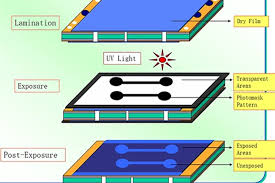
    A photo-imaging process where liquid epoxy is applied and developed using UV light. It allows for finer details than screen printing.
  • Direct Legend Printing (Inkjet/DLP)
    A digital printing method that uses inkjet technology to print legends directly onto the PCB with high precision.

📊 PCB Silkscreen Printing Methods Comparison Table

PCB Silkscreen Printing Methods Comparison

Feature Screen Printing LPI Inkjet (DLP)
Resolution Low–Medium Medium–High High
Cost Low Medium Medium–High
Speed Fast (volume) Moderate Fast (flexible)
Durability High High Medium–High
Alignment Accuracy Moderate Good Excellent
Best Use Case Mass production General production Prototypes, HDI PCBs
Limitations Limited detail, coarse text More process steps Higher equipment cost
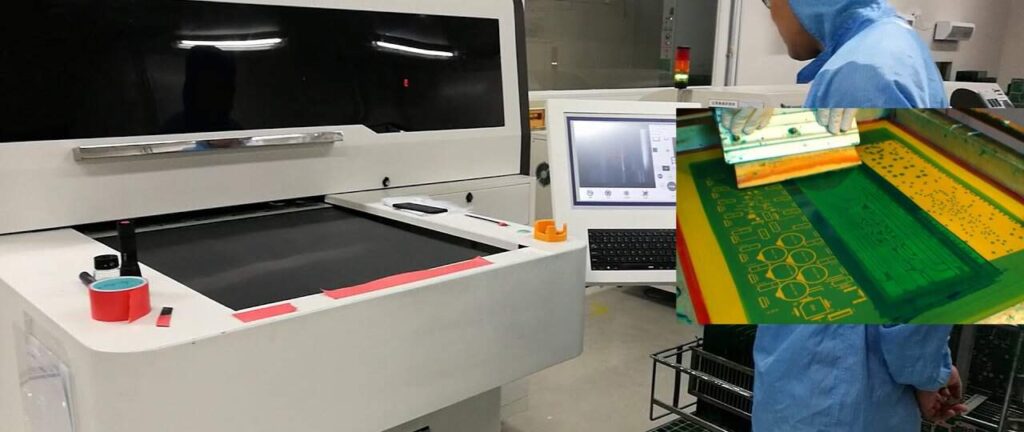
pcb screen printing process silkscreen mesh pcb
PCB screen printing process silkscreen mesh PCB

What is the difference between screen printing and inkjet PCB printing?

When comparing screen printing vs inkjet PCB, the key differences come down to precision, flexibility, and scalability.

  • Screen printing is ideal for large production runs. Once the stencil is created, it’s fast and cost-efficient. However, it struggles with fine details and small text.
  • Inkjet printing (DLP), on the other hand, offers much higher resolution. It doesn’t require stencils, making it perfect for quick iterations and complex layouts.

In short:

  • Choose screen printing for cost efficiency at scale
  • Choose inkjet for precision and flexibility

What is LPI silkscreen in PCB?

LPI (Liquid Photo Imaging) silkscreen PCB is a hybrid method that combines coating and photographic imaging.

A liquid epoxy ink is applied to the board, then exposed to UV light through a patterned film. The exposed areas harden, creating precise markings.

Why manufacturers use LPI:

  • Better resolution than screen printing
  • More consistent results
  • Suitable for moderately complex designs

It’s often a middle-ground solution between traditional and digital methods.


Which PCB legend printing method is best?

There is no single “best” method—only the most suitable one for your project.

Here’s a practical decision guide:

  • High-volume, low-cost products → Screen printing
  • Balanced cost and detail requirements → LPI
  • Prototypes or high-density designs → Inkjet (DLP)

For most modern electronics, especially compact devices, inkjet printing is becoming the preferred choice due to its precision and adaptability.

Unit Circuits: Leading PCBA Manufacturer
✅ ISO-certified & 8+ years of PCBA
✅ Low MOQ & Fast Turnaround
✅ Prototype & Mass production
Limited Time Offer:
Get $100 off your order TODAY!
This offer won’t last long! Today ONLY!
[Hurry! Only 50 discounts left]

sales@unitcircuits.com

pcb silkscreen comparison screen printing vs inkjet vs lpi
LPI silkscreen PCB process UV exposure

What are the limitations of PCB silkscreen printing?

Even with advanced methods, silkscreen printing has constraints:

  • Minimum font size limits (typically ≥0.8 mm for readability)
  • Line width restrictions
  • Registration/alignment issues
  • Ink spreading on uneven surfaces

These issues can lead to unreadable labels or manufacturing defects. Avoid common pitfalls by reviewing 👉Most Common PCB Silkscreen Mistakes


Which silkscreen method is best for high-density PCBs?

For HDI (High-Density Interconnect) boards, inkjet (DLP) printing is the best choice.

Why?

  • Ultra-fine resolution supports small text and tight spacing
  • No stencil distortion
  • Excellent alignment accuracy

As PCB designs become more compact, traditional screen printing often cannot meet the required precision.


How does silkscreen printing affect PCB assembly and AOI inspection?

Silkscreen plays a critical role in manufacturing and quality control:

  • Component identification helps operators place parts correctly
  • Clear polarity markings reduce assembly errors
  • Readable legends improve AOI (Automated Optical Inspection) accuracy

Poor silkscreen can slow down production or cause misinterpretation during inspection.

pcb inkjet silkscreen printing direct legend printing machine
PCB inkjet silkscreen printing direct legend printing machine

What factors should you consider when choosing a PCB silkscreen method?

When selecting a method, consider:

  • Production volume (prototype vs mass production)
  • Design complexity (fine pitch, dense layouts)
  • Turnaround time
  • Cost sensitivity
  • Required readability and precision

A well-informed choice improves both manufacturing yield and long-term reliability.


Manufacturing & Cost Considerations

Each method has different cost dynamics:

  • Screen printing → Low cost per unit, but high setup dependency
  • Inkjet printing → Higher per-unit cost, but no tooling required
  • LPI → Moderate cost with additional processing steps

For low-volume runs, inkjet often reduces overall cost by eliminating setup time. For mass production, screen printing remains highly economical.

Working with an experienced PCB manufacturer ensures the method aligns with your design intent and production scale.


Design Implications for PCB Silkscreen

Your design must match the printing method’s capabilities.

Key considerations:

  • Maintain proper font size and spacing
  • Avoid placing silkscreen over pads
  • Ensure clear contrast and readability

For detailed rules, refer to 👉PCB Silkscreen Design Guidelines

pcb silkscreen printing methods diagram screen printing lpi inkjet
PCB silkscreen comparison screen printing vs inkjet vs LPI

Real-World Application Scenarios

Here’s how these methods are typically used:

  • Prototype boards → Inkjet printing for flexibility and speed
  • Consumer electronics (mass production) → Screen printing for cost efficiency
  • Industrial / HDI boards → Inkjet or LPI for precision

Choosing the right method ensures your PCB performs well from prototype to full-scale production.

FAQs

PCB silkscreen quality directly affects assembly accuracy and long-term maintenance. Poor-quality markings can fade, smear, or become unreadable, leading to incorrect component placement or servicing errors. High-quality PCB silkscreen printing ensures clear labels, durable markings, and consistent identification throughout the product lifecycle, especially in industrial or high-reliability applications.

Yes, modern PCB silkscreen printing methods support custom logos, QR codes, serial numbers, and traceability marks. Inkjet (DLP) printing is especially effective for high-resolution branding and variable data printing. This is valuable for OEMs and EMS providers who need product identification, anti-counterfeiting measures, and supply chain tracking.

PCB manufacturers typically require Gerber files (RS-274X or X2) for silkscreen layers, often labeled as top overlay or bottom overlay. Clear, properly aligned silkscreen data ensures accurate printing. Including readable text sizes and correct layer mapping helps avoid production delays and reduces the risk of misinterpretation during fabrication.

To minimize PCB silkscreen printing errors, follow design best practices such as maintaining minimum text size, avoiding overlaps with pads, and ensuring proper spacing. Running a DFM (Design for Manufacturability) check before production is critical. Many professional PCB manufacturers also provide pre-production reviews to catch silkscreen issues early and improve first-pass yield.

Have Specific Requirements?

Looking for high-precision PCB assembly for your products? Our team specializes in delivering top-tier assembly services, ensuring your devices perform flawlessly in any environment. Contact us today for a free consultation on how we can enhance your product’s reliability.

Summary

Choosing the right PCB silkscreen printing method improves readability, reduces assembly errors, and controls cost. By understanding screen printing, LPI, and inkjet options, you can align your design with manufacturing needs and ensure consistent, high-quality PCB production.

Save on your next PCB project?

Claim $100 OFF your order today.

sales@unitcircuits.com

✅ high-quality PCB assembly with strict quality control ✅ ISO-certified & 8+ years of experience. ✅ Low MOQ, fast turnaround, and 100% E-tested PCBs.

Request for Quote

sales@unitcircuits.com

RECENT POSTS
Leading PCBA Manufacturer

✅ Assemble 20 PCBAS for $0 ✅ Get $100 OFF – Risk-Free Trial!

sales@unitcircuits.com

✅ 100+ Satisfied Customers

✅ Ensured Quality & On-Time Delivery

✅ Free Trial, No Commitments!

Leading PCBA Manufacturer

✅ Assemble 20 PCBAS for $0 ✅ Get $100 OFF – Risk-Free Trial!